
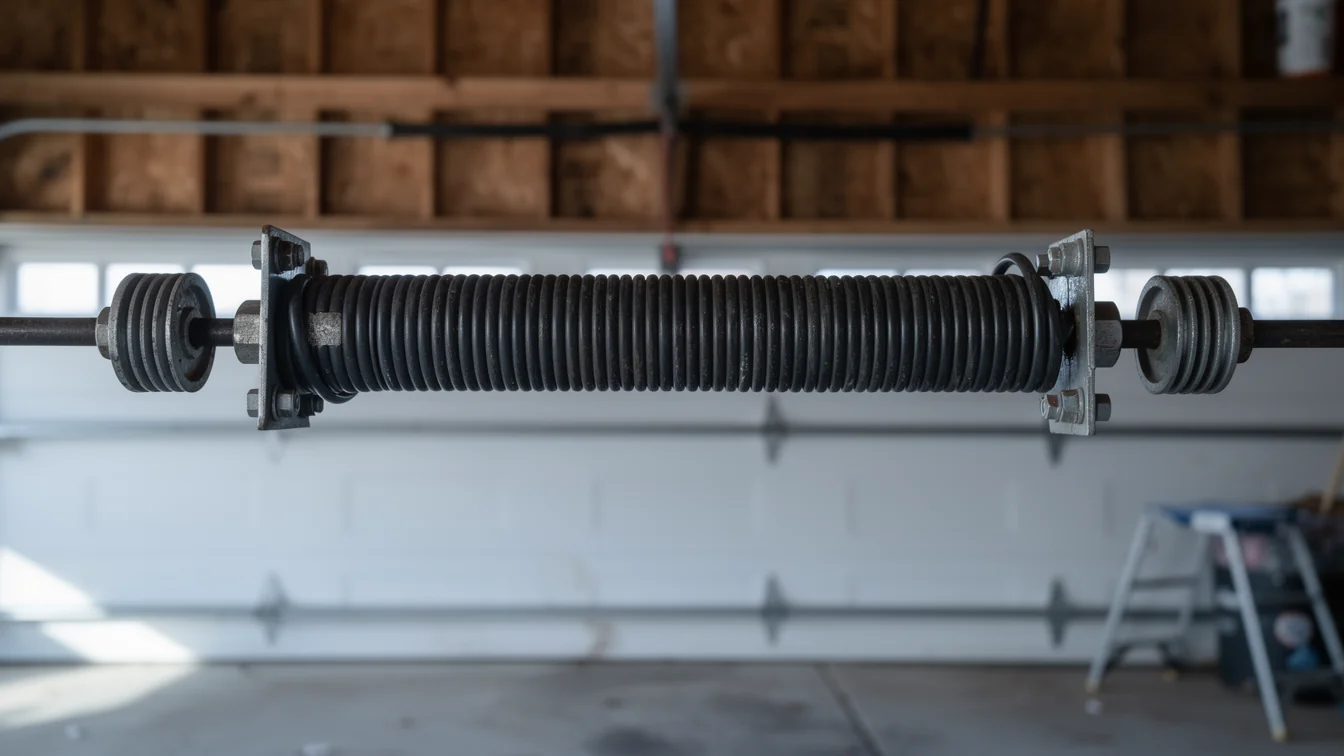
When a Spring Goes in Cold Weather in Lilburn
Why garage door springs snap in cold weather in Lilburn homes built between 1951 and 2012, how to check yours, and when to leave it alone and call for a repair.
Read moreGarage door repair for Lilburn, GA homes built mostly in the 1960s and 70s, where original torsion springs, panels, and openers wear out in cold winters.
Local detail
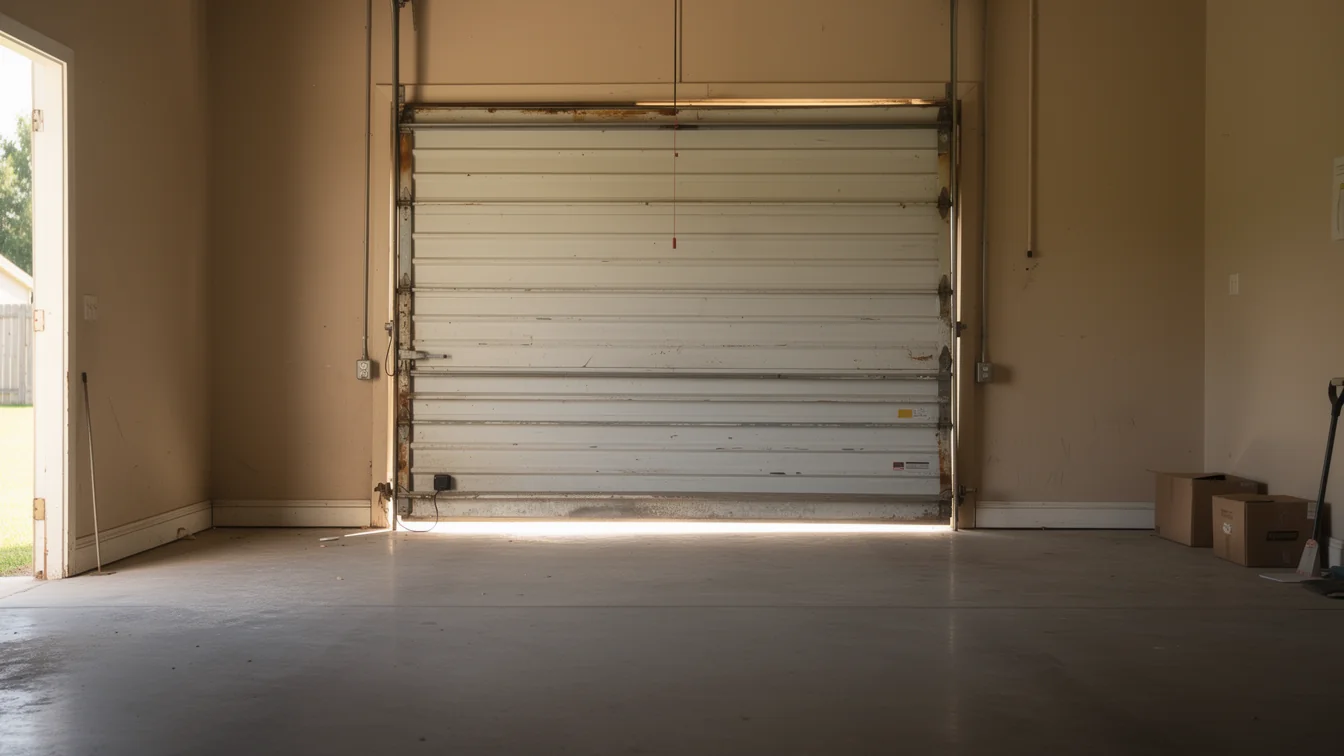
In Lilburn's service area, most houses went up between 1951 and 2012, with the heaviest concentration in the 1960s and 70s across the 17 neighborhoods we cover, stretching from Stone Mountain toward Lithonia. That means a lot of doors here were put in before insulation rules tightened, so steel panels on these older openings don't hold heat the way newer doors do. The climate band here is cold-moderate - not Minnesota winters, but enough freeze-thaw cycling each year to matter. When night temps drop and a steel door's uninsulated panel contracts, gaps widen at the seams and bottom seal, and you feel a draft that wasn't there in August. On a 1960s or 70s build, the track and spring hardware is original-era too: side-mounted torsion springs sized for a door that's heavier than modern steel but has no foam core to offset it. Cold makes the lubricant in a 40- or 50-year-old spring coil gum up, and a sluggish spring under full winter load is a common reason a door starts binding right as the weather turns. None of this is dramatic - it's slow wear showing up on a schedule the thermometer sets, not a sudden failure.
The area
Start at the bottom seal. On houses from this era, the weatherstrip is often the first thing to go because it was never built to the tighter rules that came later - press a finger along it on a cold morning and feel for stiff, cracked rubber that doesn't spring back. Next, look at the panel seams from inside the garage with the door down: daylight showing through a 1960s or 70s steel door usually means the panel has warped slightly from decades of temperature swing, not that the door is failing outright. Check the torsion spring - the one mounted above the door on a shaft, not a cable running down the side - for gaps between the coils. Even winding is normal; coils bunched tight at one end on an older spring can mean it's lost tension. Run the door by hand with the opener disconnected and see if it moves smoothly to about waist height and stays there. If it drops, the spring is carrying less than it should, which is common once a spring ages and the cold stiffens the metal further. Listen for grinding or popping at the rollers - original steel rollers from a 1970s install wear faster than nylon, and cold makes dry steel-on-steel noisier. None of this needs tools beyond a flashlight and your hands, and none of it should involve touching a spring under tension.
What we find
A door built in the 1960s or 70s on a house in this service area was built to a different standard - lighter insulation expectations, simpler hardware, and springs sized to the codes of that decade rather than today's. Over 50-plus years, steel fatigues, galvanized coating on springs wears thin, and the cold-moderate cycle here speeds that along: metal contracts in winter, expands in summer, and the stress lands at the same points every year - the spring coils, the roller brackets, the bottom corner of the panel. Homes built later, closer to the 2012 end of the range, usually have insulated doors with sealed foam cores, and those doors handle the cold-moderate swing with less drama because the panel doesn't flex the same way. The split in building eras across our 17 neighborhoods means two houses a few blocks apart can have completely different failure patterns - one with an original uninsulated door finally failing at the hinge, another with a newer insulated door where the problem is more likely the opener's circuit board than the door itself. What's going on is rarely one dramatic cause. It's cumulative: an older spring, slightly tightened hardware, a bottom seal that hardened years ago, and then one cold morning everything is working harder than it was built to.
How we work
Here's the honest limit: if a torsion spring is original to a house built in the 1960s or 70s, we don't recommend patching around it. Spring steel loses tension with age in a way that doesn't fully reverse, and a spring over 40-50 years old carrying a full-weight uninsulated door is a bad candidate for a quick fix - replacement is the safer call, and it isn't a job to do yourself; torsion springs hold enough tension to cause serious injury. On the other hand, a door that's just drafty from a hardened bottom seal doesn't need a new door at all - that's a simple seal swap, not a reason to replace anything. We also won't tell you a repair will modernize an older door's insulation; a steel panel built before insulation rules tightened doesn't gain a foam core from a tune-up, and if the real complaint is a cold garage, a tune-up won't solve that. Knowing which problem you actually have - tension, seal, or just an old motor - is most of the job. If you're not sure which one you're looking at, that's a call, not a guess.
Questions
Not necessarily. On a lot of the 1960s and 70s houses in this area, the draft is a hardened bottom seal, not a failing panel. Press on the weatherstrip on a cold morning - if it's stiff and cracked, that's a seal swap, not a door replacement. If the panel itself has visible daylight through warped seams, that's a different, bigger conversation.
If the house was built in the 1960s or 70s and the spring has never been replaced, assume it's original. Look for uneven galvanized coating, rust at the coil ends, or coils bunched tighter at one end than the other. We don't recommend opening it up yourself to check tension - that part is best left to a call.
Yes, to a point. Steel rollers from a 1970s install get louder in cold weather because dry metal-on-metal friction increases as temperatures drop. A grinding or popping sound beyond the usual is worth a look, but routine extra noise on a cold morning with an older door isn't unusual for this area's housing stock.
Recommendation
More garage door guides for Lilburn homeowners.
Why garage door springs snap in cold weather in Lilburn homes built between 1951 and 2012, how to check yours, and when to leave it alone and call for a repair.
Read more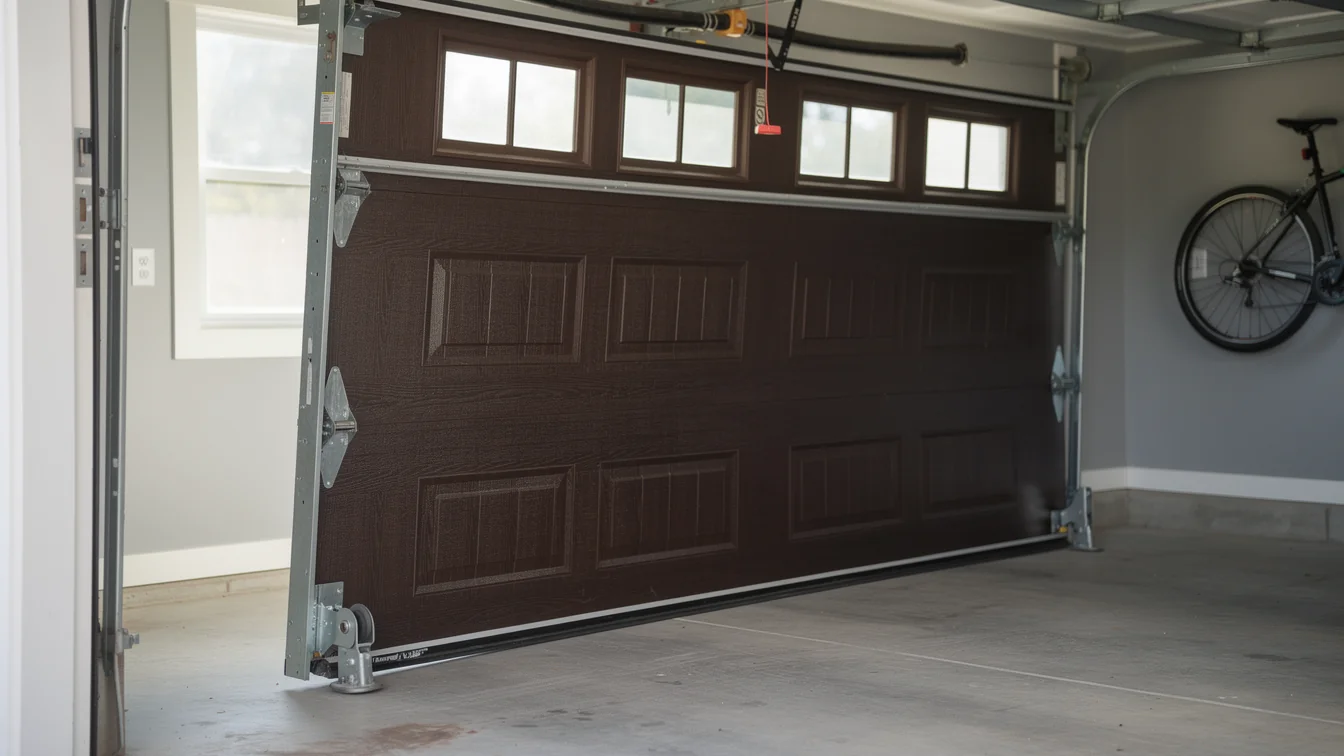
Lilburn homes built mostly in the 1960s-70s have original track hardware and cold-moderate temperature swings that work doors loose.
Read more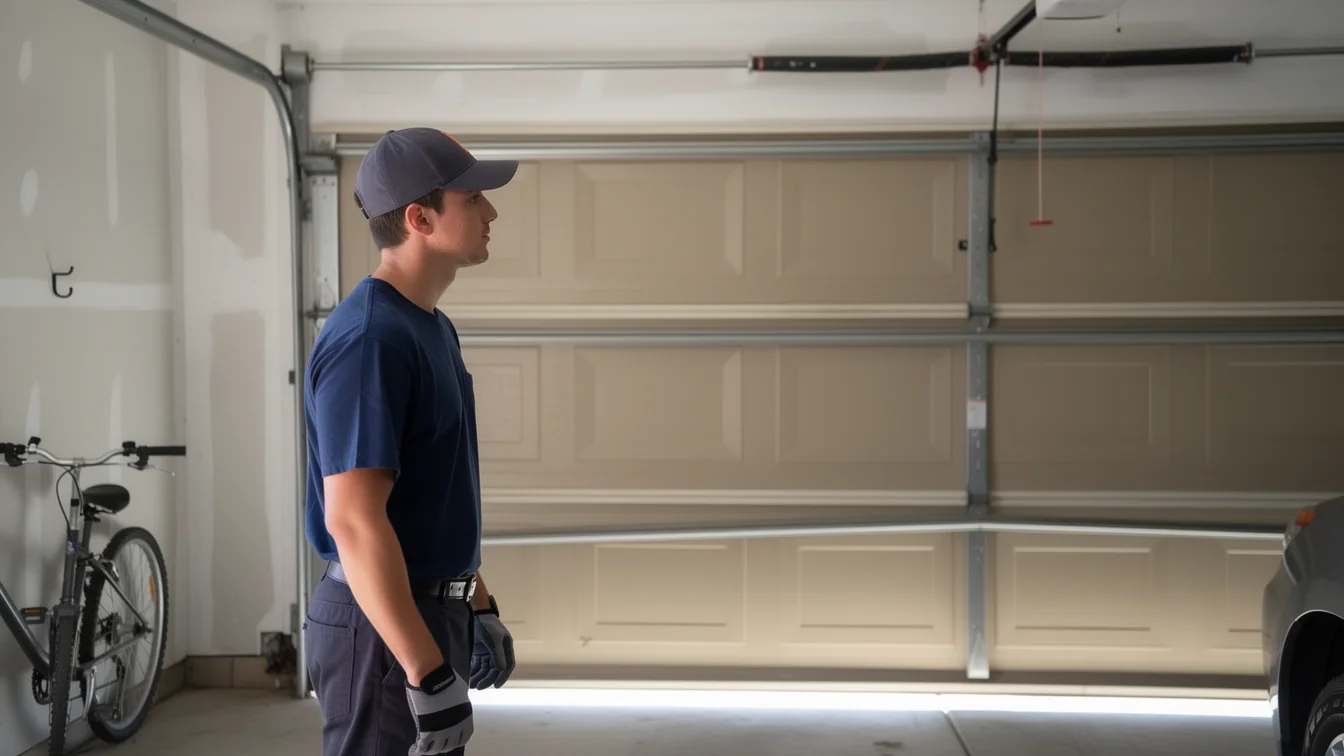
Lilburn homes mostly built in the 1960s-70s have aging torsion hardware and worn rollers.
Read moreReady when you are
Lilburn Garage Door Pros repairs and installs garage doors, springs and openers in Lilburn, GA and the surrounding area.