
Lilburn, GA
Garage Door Maintenance for Lilburn Homes
Most Lilburn homes date to the 1960s-70s building boom, which means original hardware nearing the end of its life. Here's what maintenance actually catches.
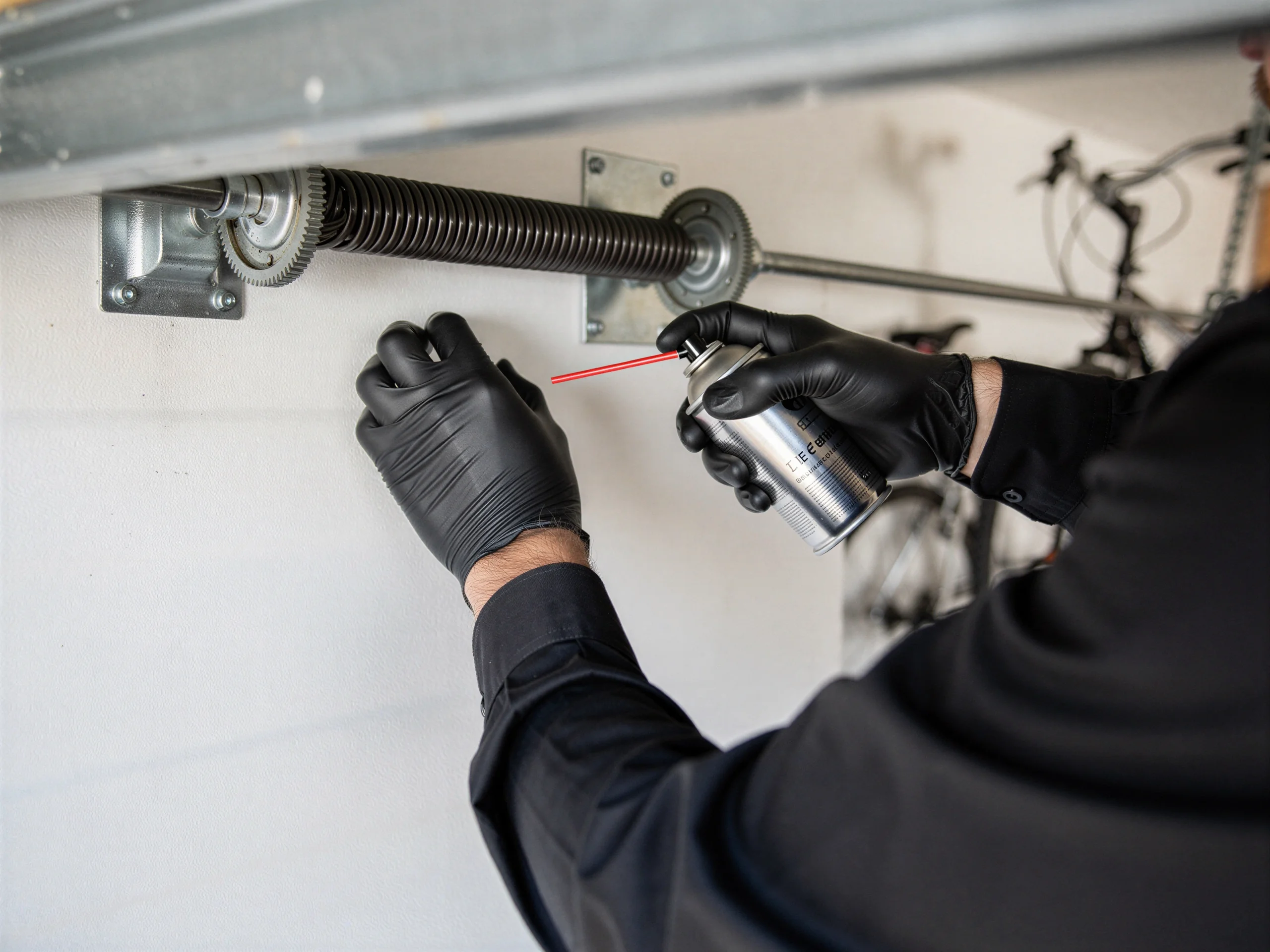
The Symptom
The door still opens, but it's not smooth about it anymore. A groan when the opener engages, a jerk partway up the track, a spring that looks fine until you notice it's sagging on one side more than the other.
Maintenance skipped when quiet
None of that stops the door from working on any given day, which is exactly why maintenance gets skipped - nothing's broken yet. Across the Lilburn service area, with housing built between 1951 and 2012 and a median year of 1978, a lot of doors are running on hardware that's older than the homeowner using them.
Hidden wear components
Rollers that have worn their track grooves smooth. Torsion springs rated for a cycle count that's long since been used up. Opener gears made of nylon that's gone brittle. None of these show up as a hard stop.
Drag and delayed response
They show up as noise, drag, and a door that takes an extra half-second to respond - right up until the day one of them lets go. If your garage door has started talking to you more than it used to, that's not it getting old gracefully. That's the maintenance window.
What Causes It Around Here
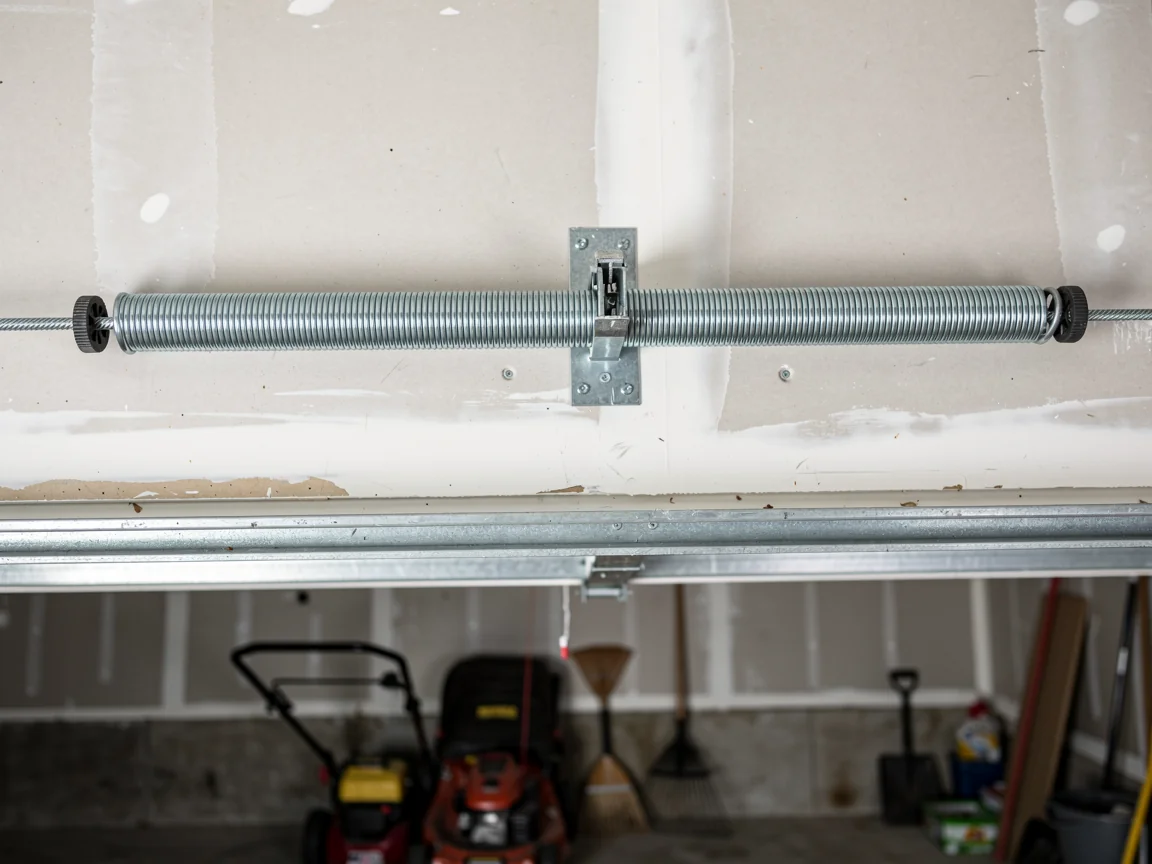
Lilburn's housing stock runs mostly 1960s-70s across the seventeen named areas we work, which means a lot of doors are either original to the house or one replacement cycle in. That hardware wasn't built for forty-plus years of daily cycling, and a lot of it has had zero lubrication service in that whole span.
The climate here is the other half of it. We sit in a cold-moderate band - not brutal, but enough freeze-thaw swing through winter that steel contracts and expands, grease stiffens, and weather seal on an older door starts cracking at the seams. That seal failure lets moisture into the bottom panel and the track, which speeds up rust on cables and hinges that were already due for a look.
Put those two together - older hardware, a climate that punishes neglected lubrication - and you get the pattern we see on service calls: springs that fatigue faster than their rated cycle count suggests, openers straining against resistance nobody noticed building, and tracks that have gone from smooth to gritty over a few winters without anyone catching it. Maintenance is how you catch it before the door does.
What the Repair Takes
A real maintenance visit isn't a five-minute spray-and-go. It starts with a check of spring tension and balance - lift the door halfway, let go, and it should hold.
Uneven spring drift
If it drifts, the spring's wearing unevenly, which is common on original torsion hardware from the 1960s-70s era that's never been rebalanced. After that: rollers out of the track, checked for flat spots or cracking, cable inspected for fraying at the drum and the bottom bracket, hinges checked for play, and every moving metal-on-metal point relubricated with the right grease, not WD-40, which actually dries out over time and makes things worse.
Weatherseal freeze-thaw checks
Weather seal gets checked too - the bottom astragal and the side seals, since that's the first thing to fail in a freeze-thaw climate and the first thing that lets moisture start the rust cycle on everything behind it. Opener gets a look as well: travel limits, force settings, and the condition of the drive gear if it's a chain or belt unit.
Rust means replacement
One honest limit here: if the spring is already showing heavy rust pitting or the cable has visible fraying, that's not a maintenance item anymore - that's a replacement part, and we'll say so rather than grease over it and send you off with a ticking clock.
Time on the Job
A standard maintenance visit on a single door runs under an hour once we're on site - balance check, lubrication, hardware inspection, seal check. Two doors on the same property takes longer, mostly because we're doing the full check twice, not because the work itself changes.
Parts become separate job
If the inspection turns up something that needs parts - a spring past its service life, a cable that's frayed past safe use - that's a separate conversation and a separate job, since we're not going to start cutting a spring loose mid-maintenance-visit without the replacement in hand.
Area housing age curve
For households across the Lilburn service area - and with roughly 19,177 owner-occupied houses in the broader area we cover, that's a lot of doors on a similar age curve - the honest advice is to treat this as a once-a-year visit, not a one-time fix.
Neglect and first visit
A door that's been neglected for a decade takes the same hour to inspect, but don't expect that first visit to leave everything perfect. It'll flag what's close to failing so you can plan for it instead of getting surprised by it.
Questions
Common questions
How often should I get my garage door maintained in Lilburn?
Once a year is the baseline we'd recommend, especially given how much of the housing stock in this area dates to the 1960s-70s. Annual service catches spring wear, track grime, and seal cracking before any of it turns into a stuck door or a snapped cable.
Will maintenance fix a door that's already making noise?
Often, yes - a lot of noise comes from dry hinges, worn rollers, or an unbalanced spring, and all three get addressed in a standard visit. If the noise is from a cracked gear or a bent track, that's a repair beyond maintenance, and we'll tell you straight if that's what we're looking at.
Do older original doors need different maintenance than newer ones?
Yes. A door original to a 1960s-70s build is running hardware well past what manufacturers rate it for, so we check spring balance and cable condition more closely on those than we would on something installed in the last decade.
Is maintenance worth it if my door still seems fine?
That's exactly when it's worth doing. Garage door hardware fails gradually, not suddenly, and most of the fatigue - a spring losing tension, a cable fraying at the drum - doesn't change how the door feels to use until it's close to done.
Explore more
Explore More Services In Lilburn, GA
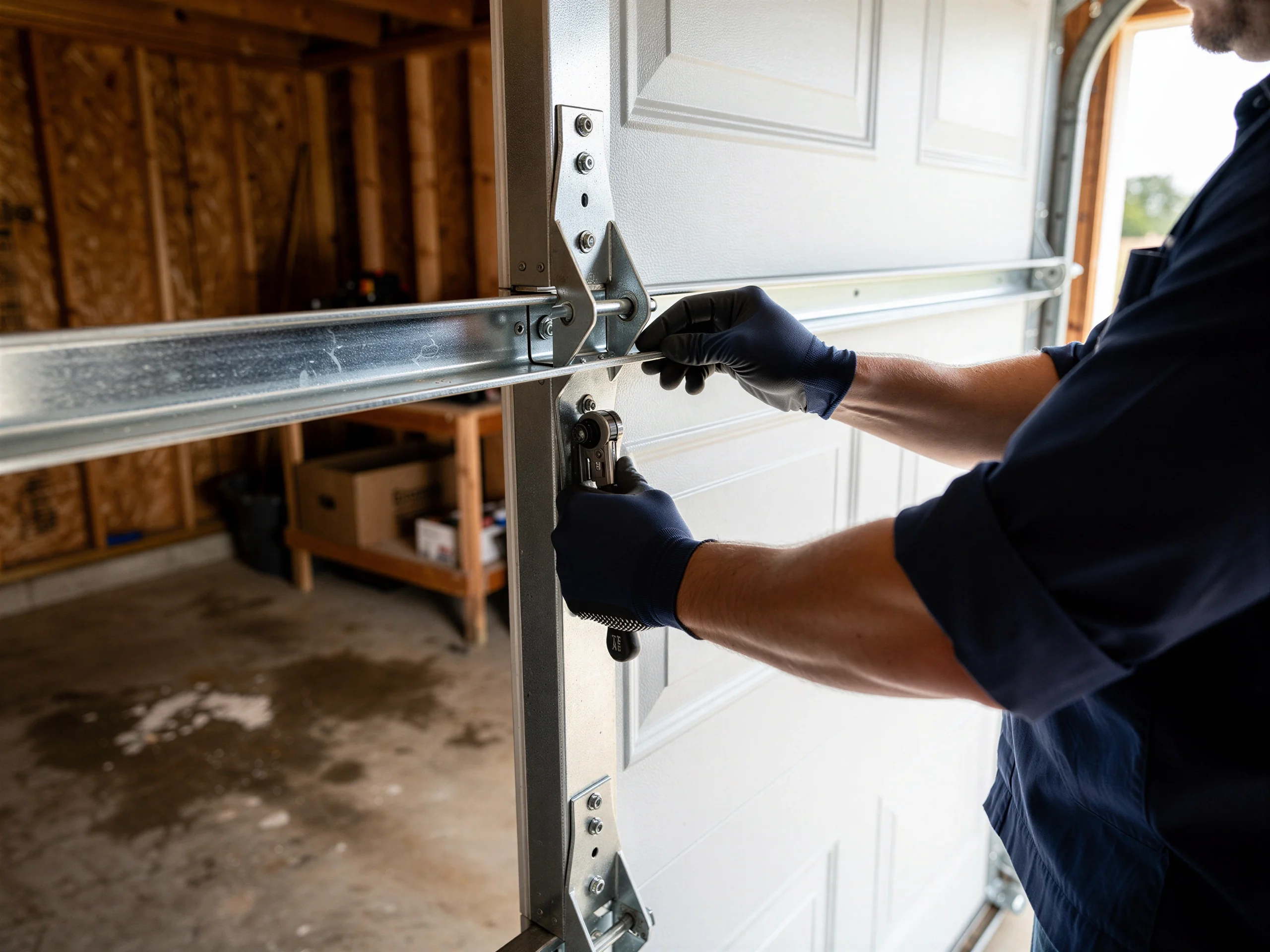
Garage Door Repair in Lilburn, Georgia
Lilburn's housing mostly dates to the 1960s and 70s, meaning worn springs and track wear show up early. Learn more →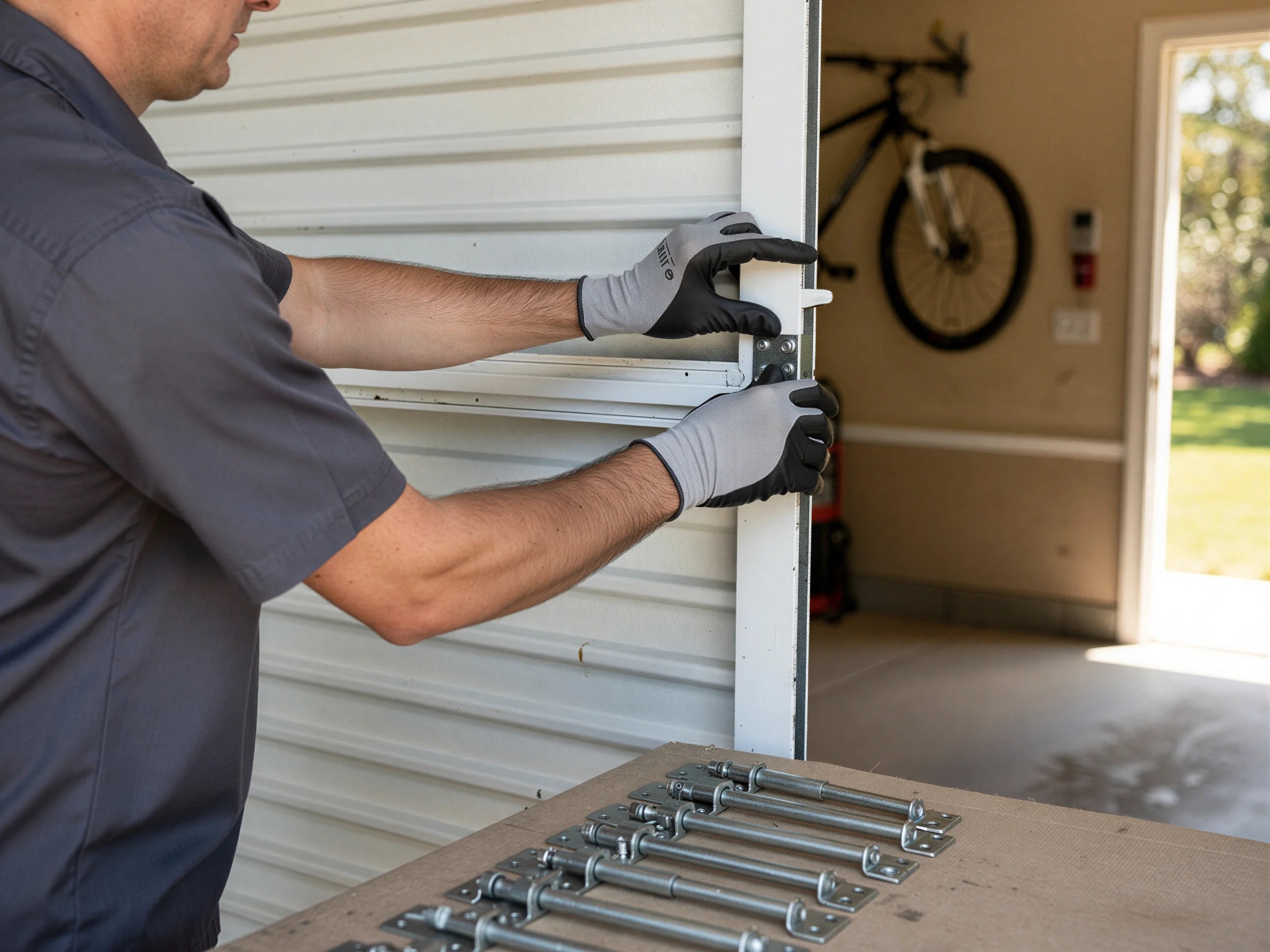
Garage Door Panel Replacement Around Lilburn
Dented or cracked garage door panels are common on Lilburn's 1960s-70s housing stock. Learn more →
Garage Door Won't Open Right? Here's Why in Lilburn
Garage door won't open or closes rough? Learn more →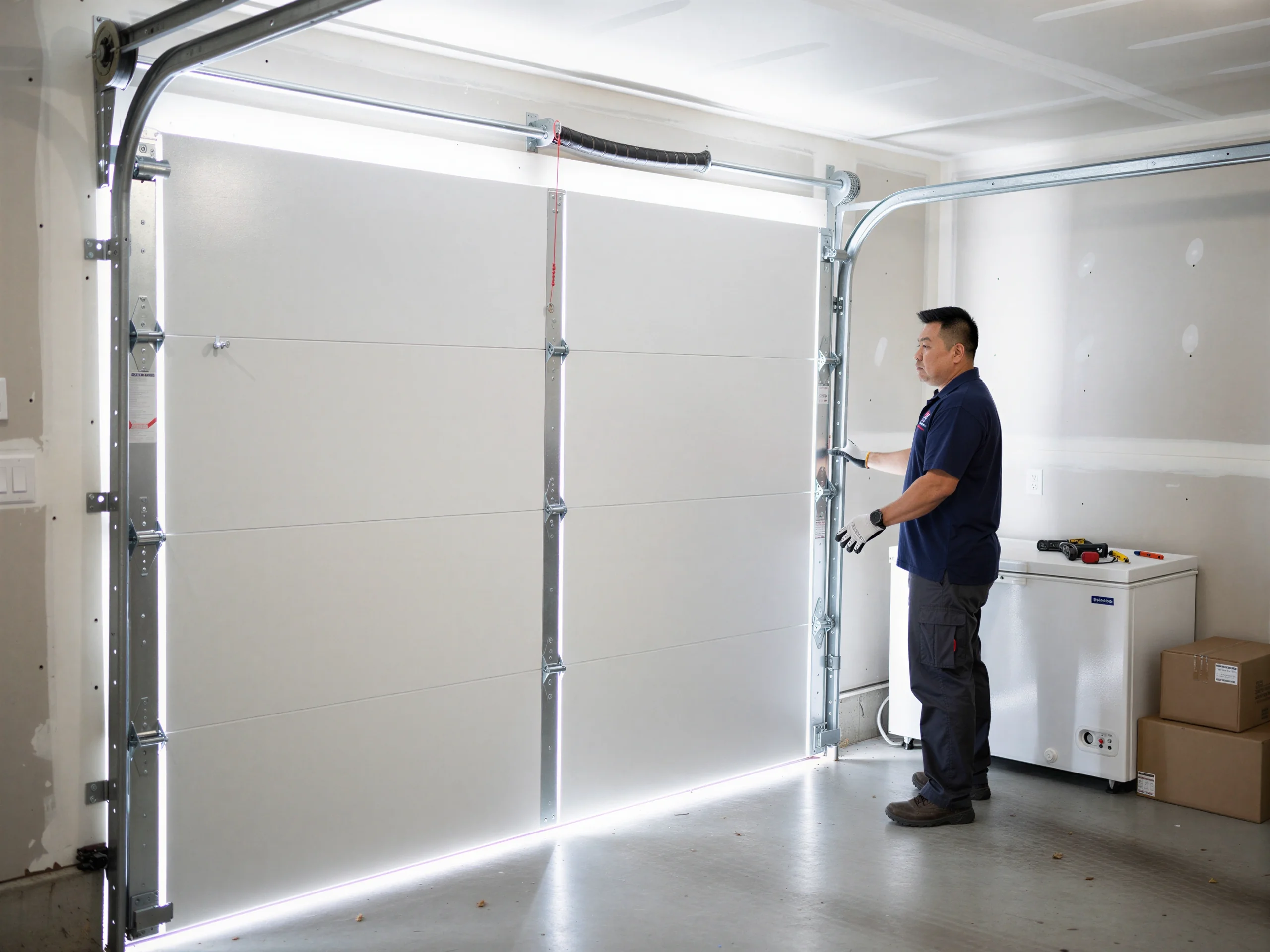
Garage Door Installation for Lilburn Homes
New garage door install in Lilburn, GA, sized for 1960s-70s era homes and cold-moderate winters. Learn more →
Ready when you are
Time for a garage door tune-up in Lilburn?
Lilburn Garage Door Pros repairs and installs garage doors, springs and openers in Lilburn, GA and the surrounding area.