
Lilburn, GA
Garage Door Installation for Lilburn Homes
New garage door install in Lilburn, GA, sized for 1960s-70s era homes and cold-moderate winters. Lilburn Garage Door Pros measures, fits, and sets up the opener right.
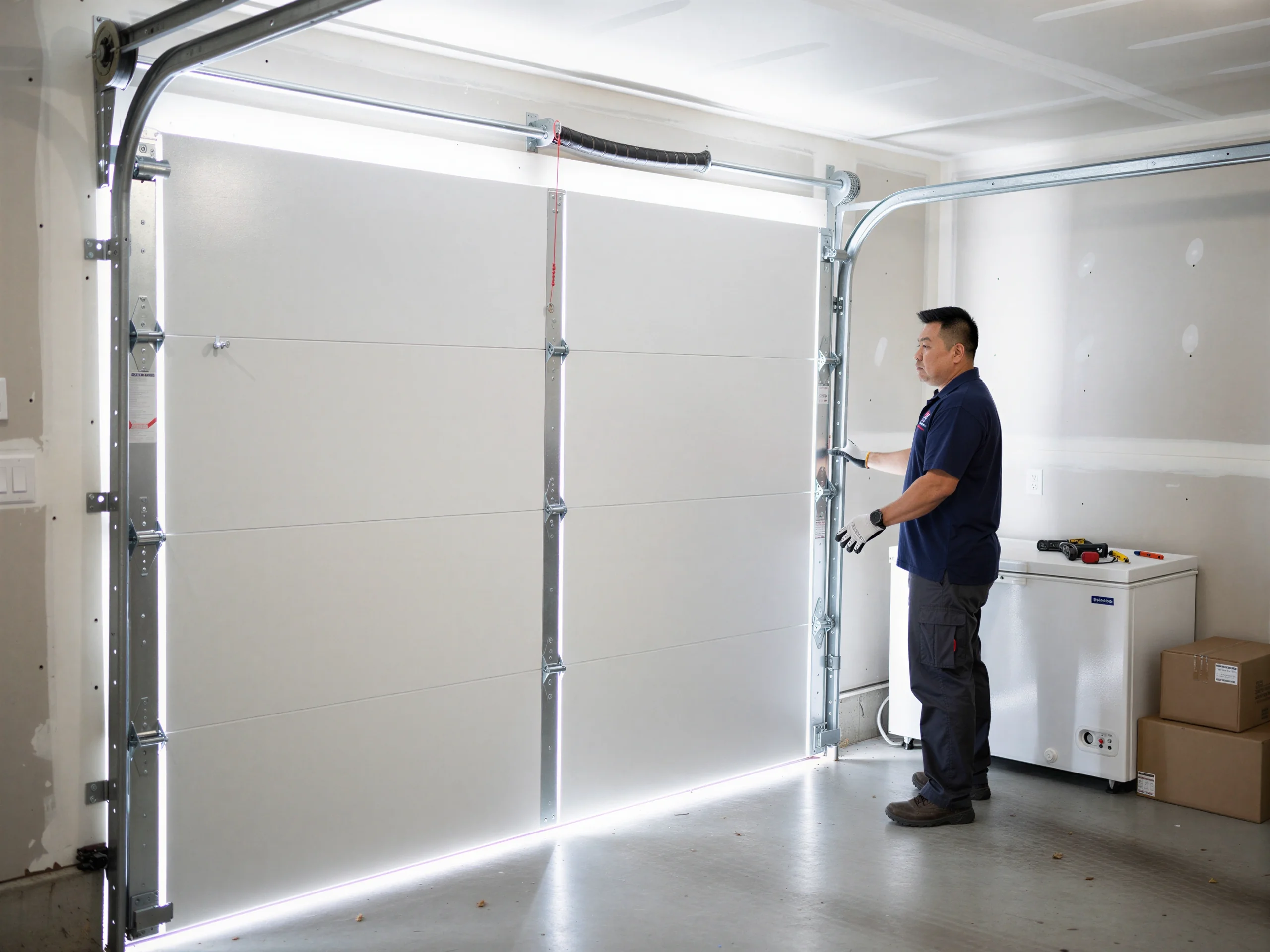
The Symptom
The door still runs, but it's working harder than it should. The opener grinds a little longer each month, the panels have a visible bow near the bottom corners, and cold mornings bring a stiff, slow lift that wasn't there two winters ago.
Whole-door decline
On a lot of Lilburn houses this isn't a one-part fix. The steel has fatigued, the track is worn to match a warped panel, and the insulation value is long gone.
Stop chasing repairs
At that point you're not chasing a repair, you're replacing the whole door before a spring or cable lets go on you. Households across the area have either lived with this slow decline for years or just bought a house where the seller never touched the garage door.
Hidden costs of old doors
Either way, the symptom is the same: a door that technically opens but costs you more in opener strain, drafts, and noise than a new install would cost over time. We see this pattern often enough across the service area's 19,177 owner-occupied houses that it's worth describing plainly rather than talking around it.
What Causes It Around Here
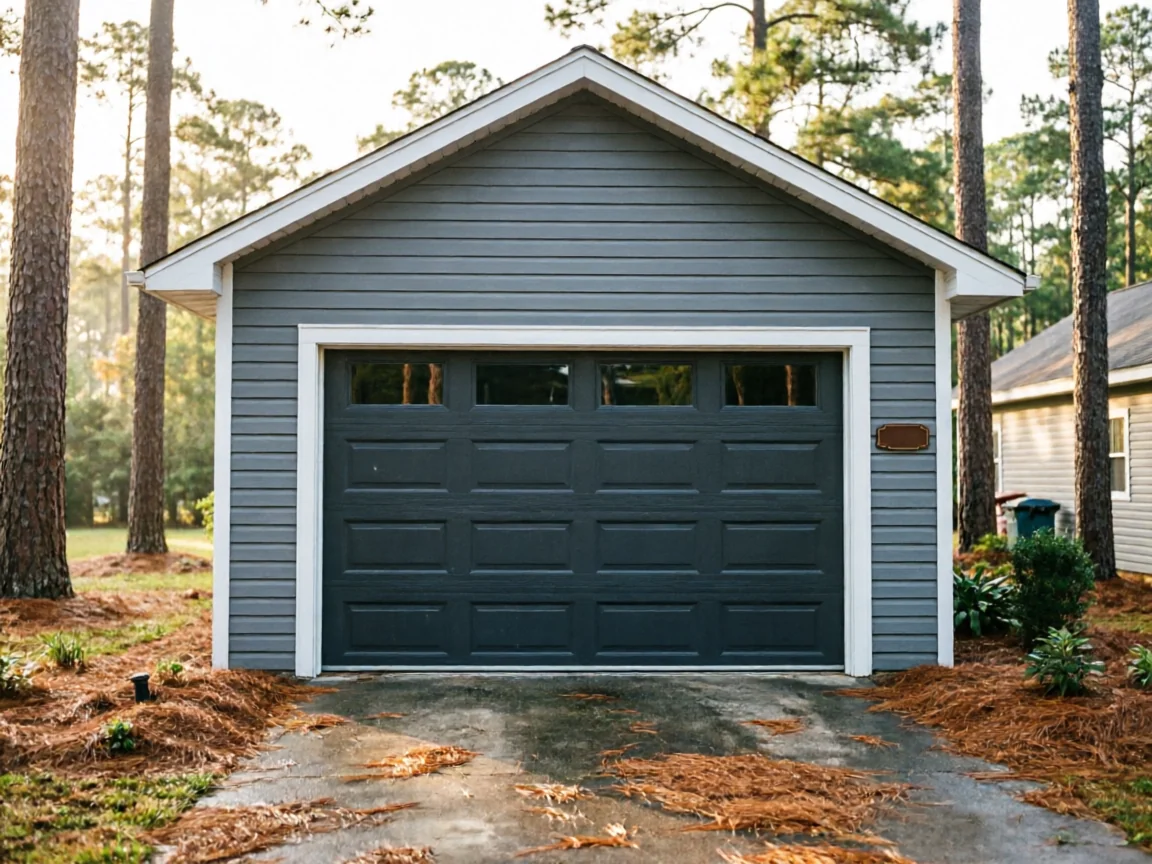
Housing in this service area went up mostly between 1951 and 2012, with the bulk of it clustered in the 1960s and 70s across the 17 named sub-areas we work in. Doors from that build era were steel or lightweight wood, single-layer, with little or no insulation - fine for the construction standards of the time, not fine for how long they've now been in service.
The climate here sits in a cold-moderate band, which means real freeze-thaw swings through winter without the deep sustained cold of the upper Midwest. That cycle is exactly what breaks down old panel seams and door bottom seals over 40-plus years: metal contracts, gaskets harden and crack, and the door racks slightly in its frame every time the temperature swings. A door built to 1970s spec was never designed to flex that many times. Newer doors use better steel gauges and foam-core insulation that handle the cycling without the panel bowing you see on the original installs still hanging on in a lot of these houses.
What the Repair Takes
An install starts with measuring the actual opening, not trusting the old door's dimensions - framing on houses from this era is rarely perfectly square after 40-60 years of settling.
Full removal and reset
We pull the old door and track completely, check the header and jambs for rot or shift, and set new track and hardware sized to the new door rather than patched onto the old mounts. Spring sizing matters more here than people expect.
Spring weight matching
A double door on a 1970s-built house needs torsion springs matched to the new door's actual weight, not whatever was on the wall before - guessing on spring weight is how you get a door that slams down or won't lift at all.
Fresh opener settings
We also set the opener's travel limits and force settings from scratch, since reusing old settings on a new door is one of the more common mistakes that leads to a callback. One limitation worth saying plainly: if the opening itself is out of square or the header's compromised, that's carpentry work before the door goes in, not something we fold into the install quote without looking at it first.
Time on the Job
Install time depends on what we find once the old door's off the track, not just the size of the new one. A straightforward swap on a standard single or double opening, with sound framing, moves along in one visit.
Carpentry and wiring add-ons
A job where the header needs shoring up, or the opener wiring has to be redone because the old setup predates modern safety sensors, runs longer - that's carpentry and electrical on top of the door itself.
Hour count after inspection
We won't quote a firm hour count over the phone before seeing the opening, because across homes built anywhere from 1951 to 2012 the condition behind the old door varies more than the door itself does.
Install sequence outlined
What we can tell you up front is what to expect from the process: old door and track out, opening checked and squared if needed, new door and hardware in, opener programmed and tested before we leave. If parts for an unusual size have to be ordered, that adds lead time beyond the visit itself - we'll tell you that the moment we know, not after you've been waiting.
Questions
Common questions
How do I know if I need a new door instead of a repair?
If the panels are visibly bowed, the door is noticeably heavier to lift by hand than it used to be, or the opener strains even after a tune-up, you're past the point where a repair holds. Houses in this area built in the 1960s-70s era are hitting that point now simply from age and the freeze-thaw cycling of a cold-moderate climate.
Will a new door fit my existing opener?
Sometimes, but not always. Older openers often lack the travel and force settings a new, heavier insulated door needs, and safety sensor standards have changed since a lot of these houses were built. We check the opener during the install and tell you honestly if it should be replaced alongside the door.
Why does spring sizing matter so much on a new install?
The torsion spring has to be matched to the exact weight of the new door, not the old one. Guess wrong and the door either won't lift properly or slams down fast enough to be dangerous. We size springs to the new door during install rather than reusing old hardware.
What if my garage opening isn't square?
It happens often in houses that have settled over 40 to 60 years. We check the header and jambs before setting new track, and if carpentry work is needed to square the opening, we tell you before that becomes part of the job rather than discovering it mid-install.
Explore more
Explore More Services In Lilburn, GA
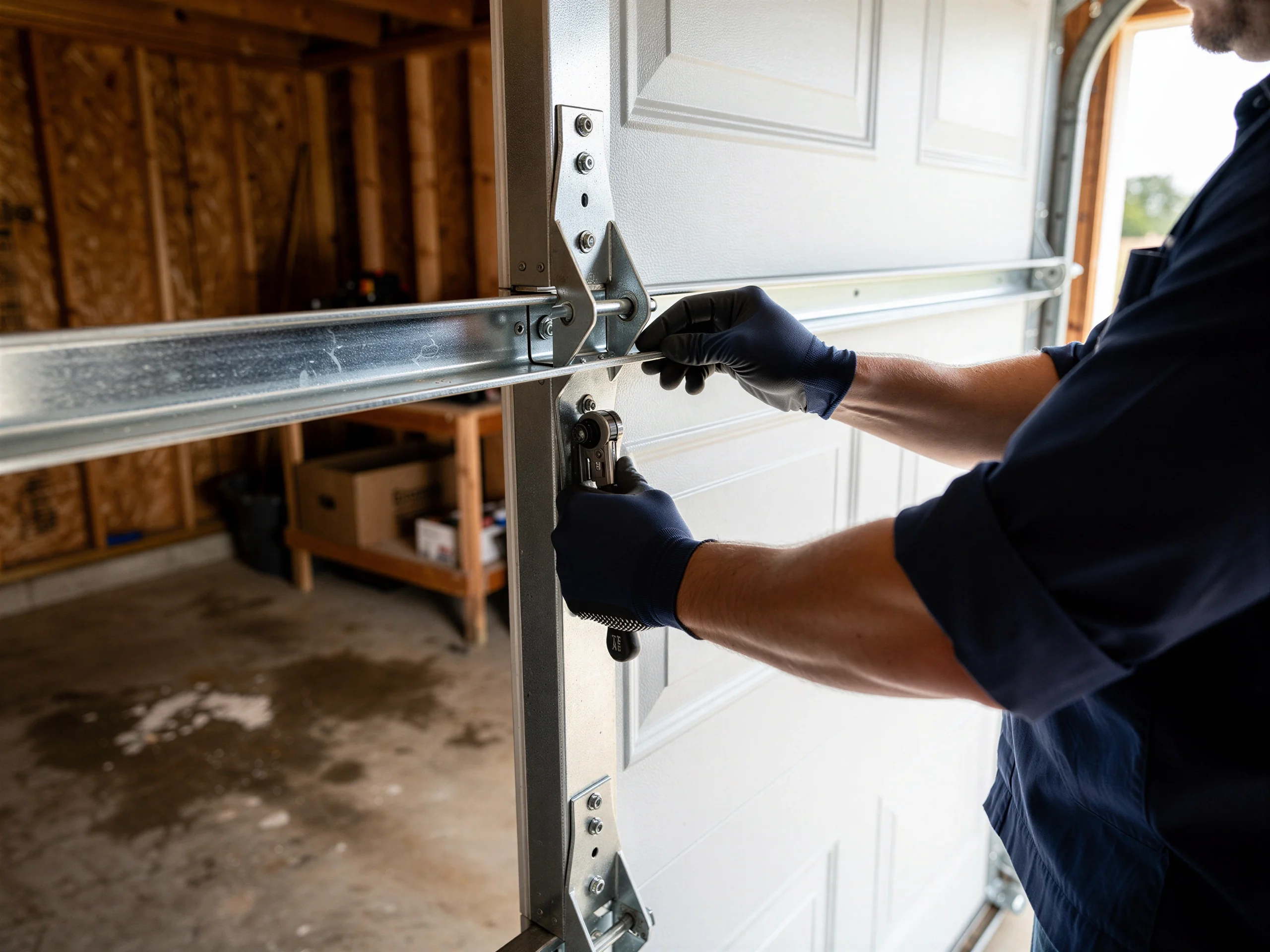
Garage Door Repair in Lilburn, Georgia
Lilburn's housing mostly dates to the 1960s and 70s, meaning worn springs and track wear show up early. Learn more →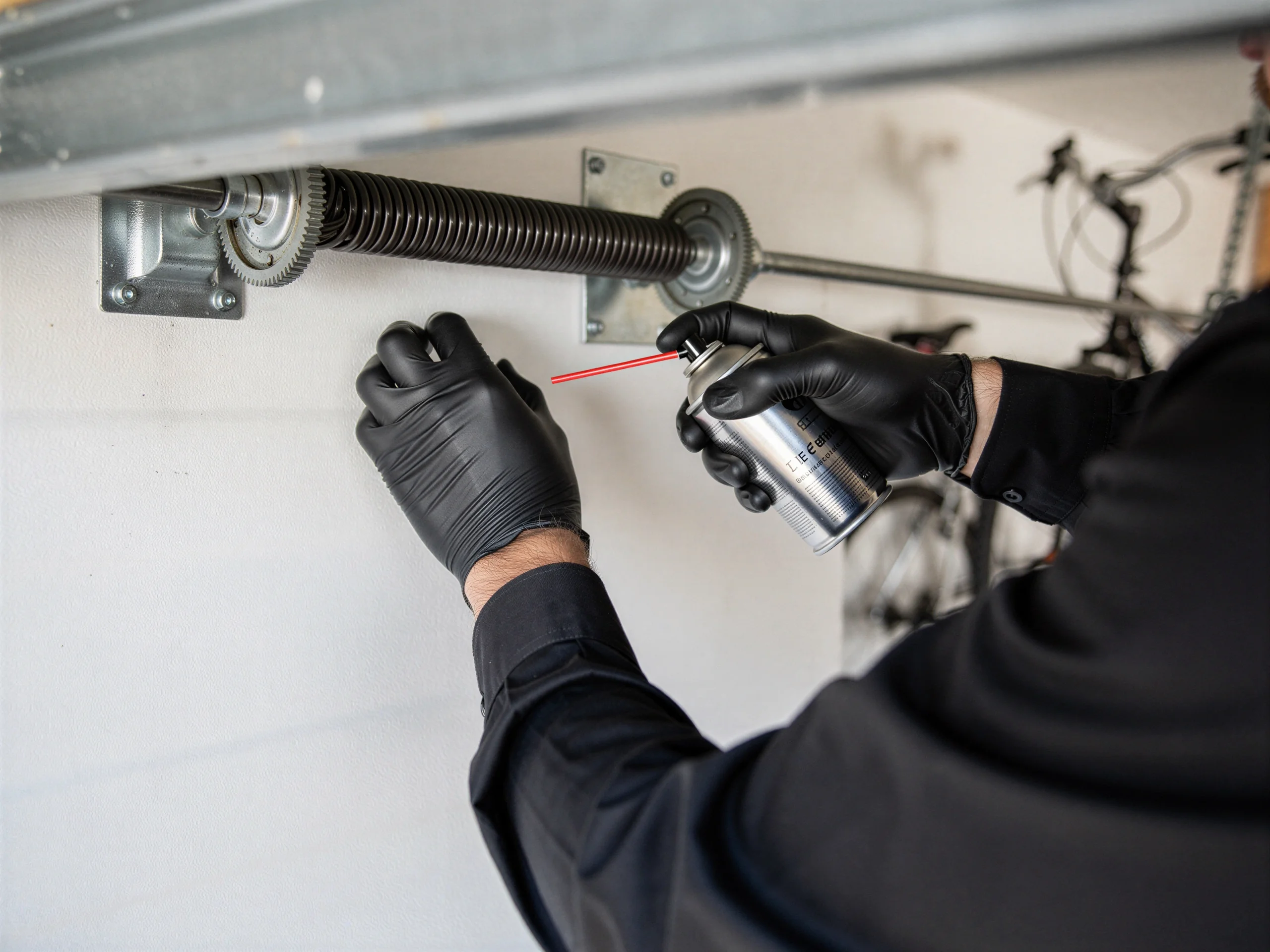
Garage Door Won't Open Right? Here's Why in Lilburn
Garage door won't open or closes rough? Learn more →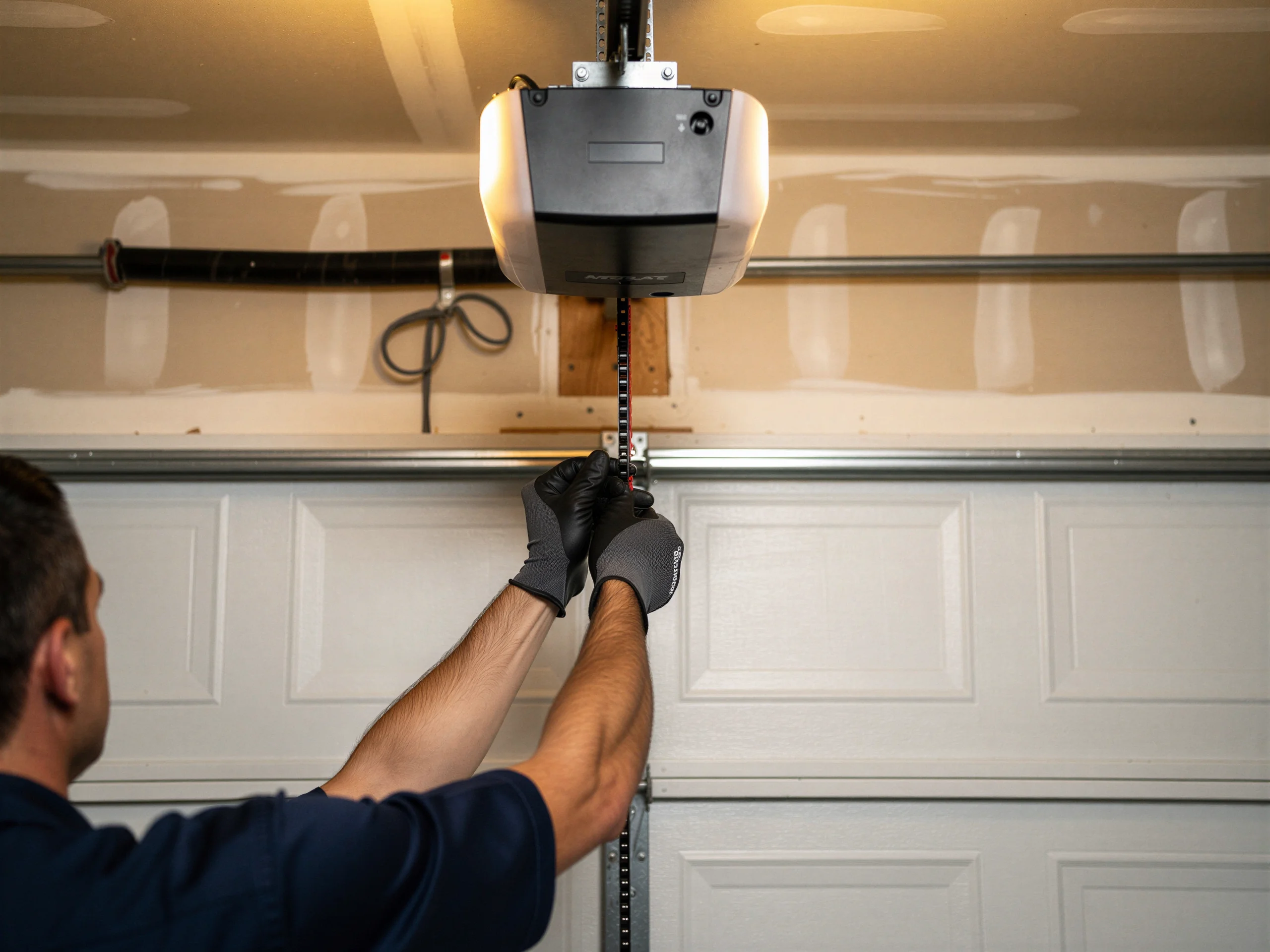
Opener Installation for Lilburn Homes
Opener installation for Lilburn houses built mostly in the 1960s-70s, where original chain-drive units and cold-weather wear are the usual reason for the call. Learn more →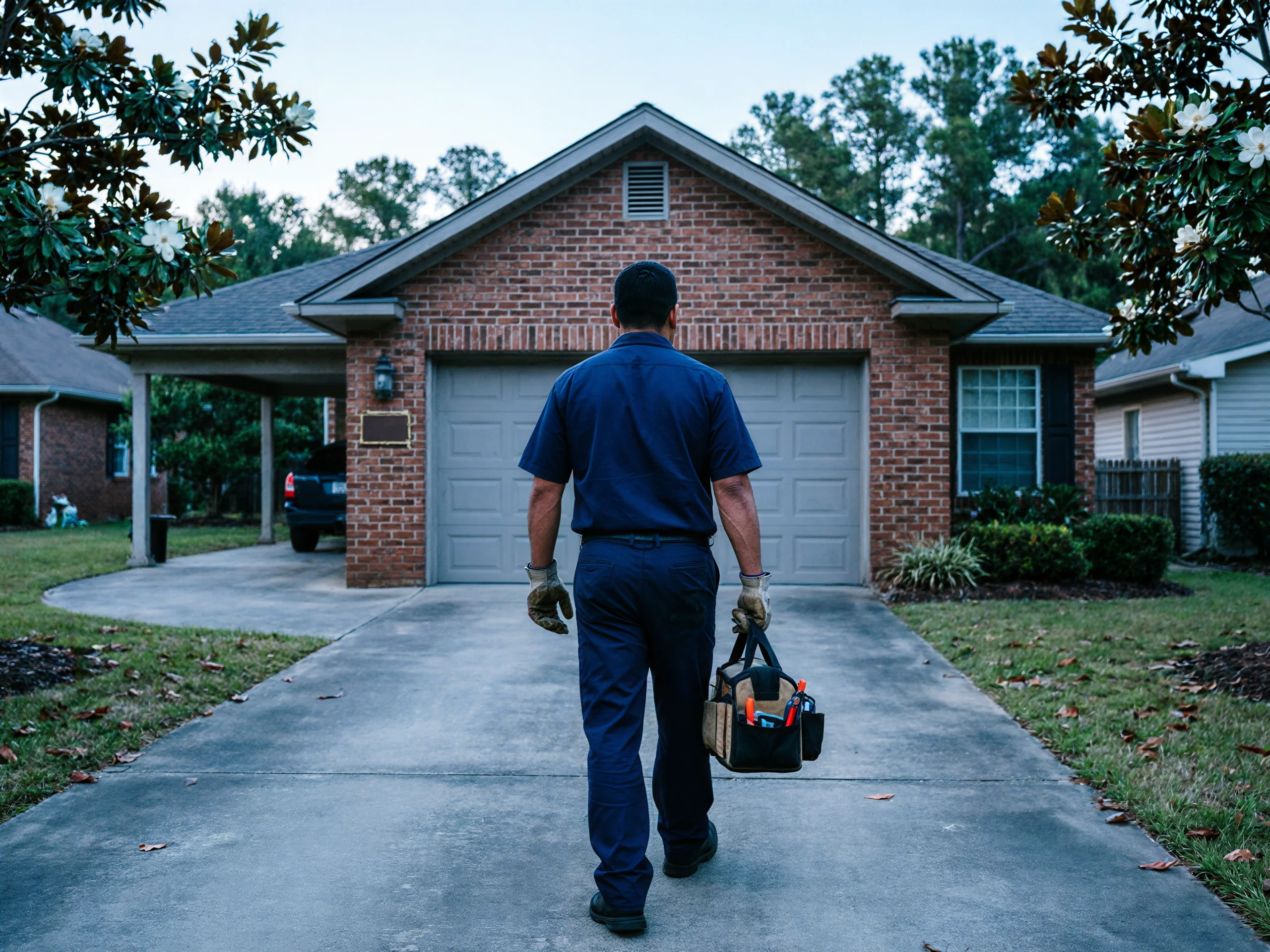
Garage Door Maintenance for Lilburn Homes
Most Lilburn homes date to the 1960s-70s building boom, which means original hardware nearing the end of its life. Learn more →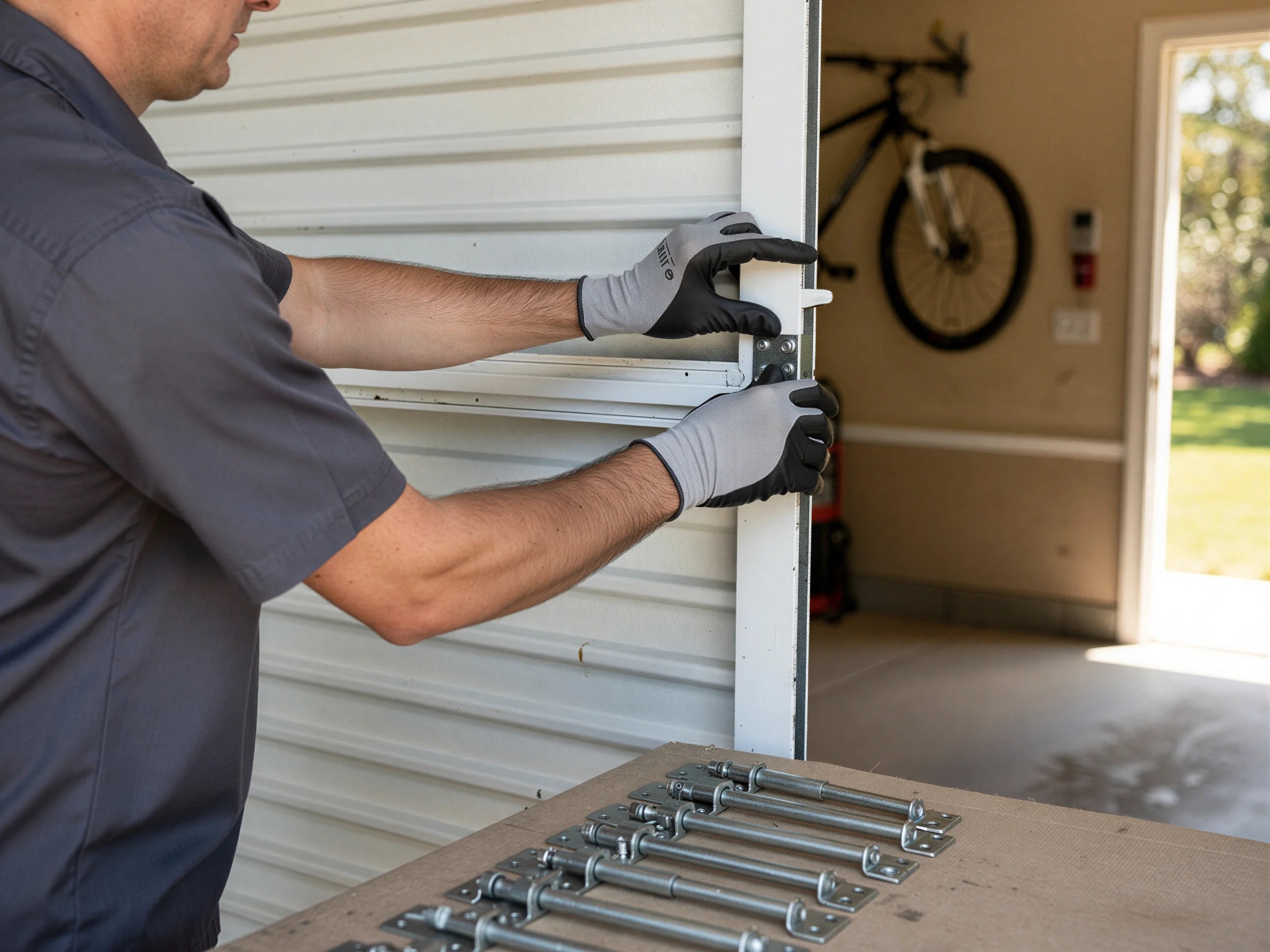
Garage Door Panel Replacement Around Lilburn
Dented or cracked garage door panels are common on Lilburn's 1960s-70s housing stock. Learn more →Ready when you are
Ready for a new garage door in Lilburn?
Lilburn Garage Door Pros repairs and installs garage doors, springs and openers in Lilburn, GA and the surrounding area.