
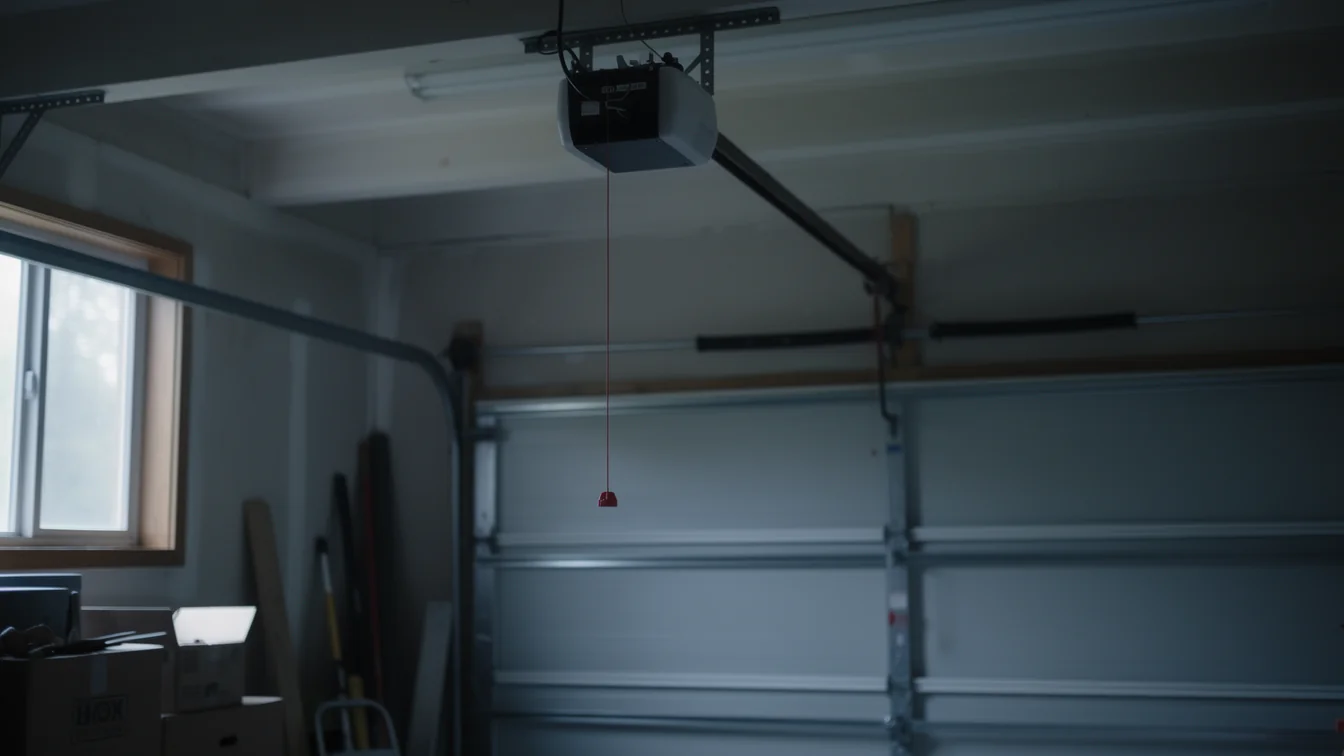
Openers and Power Cuts: What's Actually Going On in Lilburn
Lilburn's 1960s-70s housing stock and cold-moderate winters mean openers fail differently here.
Read moreA look at what our Lilburn service calls actually check, tied to the 1960s-70s housing stock and cold-moderate winters common across the area.
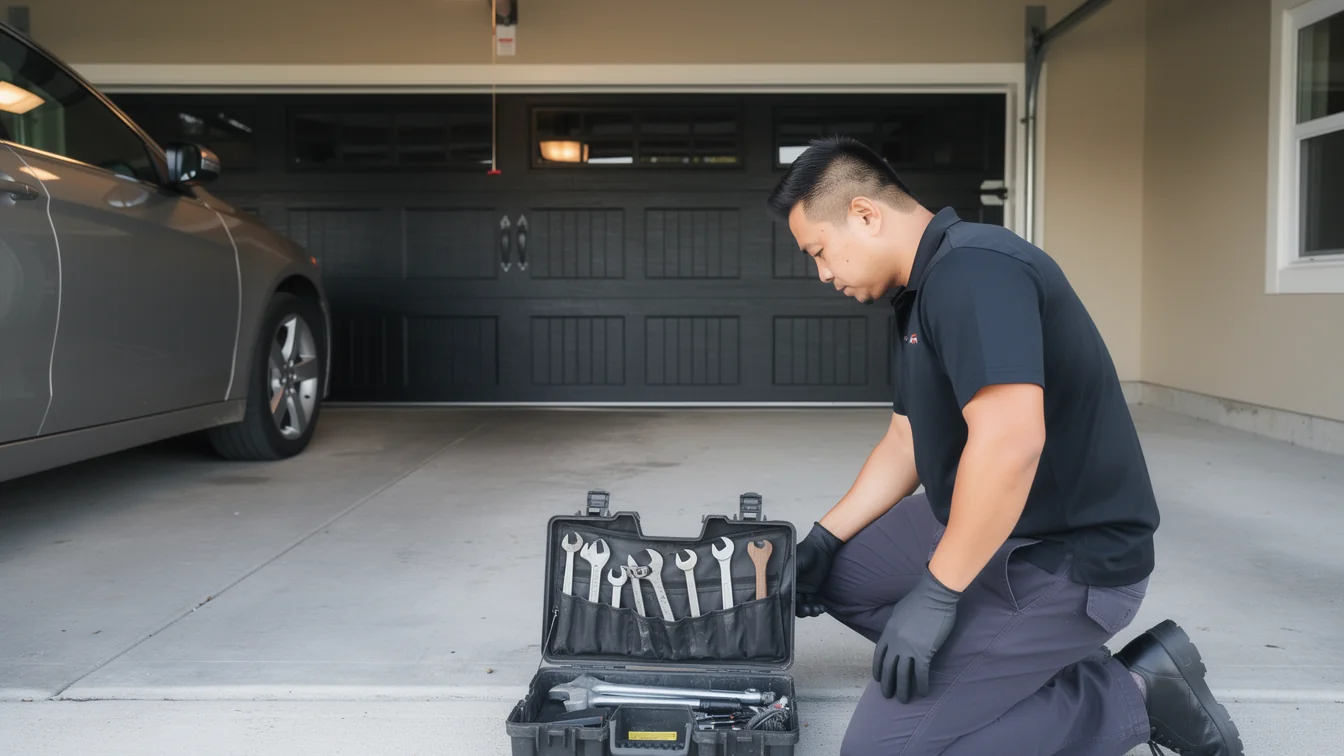
Local detail
Most of the houses we work on in and around Lilburn went up between 1951 and 2012, with the bulk of that stock dating to the 1960s and 70s across the 17 named areas we cover. That matters because a door built for a 1968 opening doesn't move the same way a 2005 opening does - different track widths, different spring sizing, sometimes a header that was never meant to carry a modern insulated panel.
The climate here sits in a cold-moderate band, which is kinder to steel than a true freeze-thaw region but still hard on hardware. Temperature swings over a winter season stiffen lubricant, shrink cable, and tighten bearings just enough that a door which worked fine in October starts dragging by January. On a service call we're not guessing at this - we're checking the parts that this particular mix of age and climate wears first: rollers, hinges, and the spring's wind count.
We don't treat every call the same. A door on a house built in 1972 gets a different inspection than one on a house from 2008, because the failure points are different.
The area
Before you call anyone, there's a few things worth looking at, especially if your house falls into that 1960s-70s band common across Lilburn and the surrounding areas out to Stone Mountain and Berkeley Lake. First, pull the release handle with the door closed and try to lift it by hand. If it's heavy or uneven, the spring is losing tension - that's a cold-moderate climate symptom as much as an age one, since the steel contracts slightly as temperatures drop.
Next, look at the track brackets where they bolt to the framing. On older stock, those brackets were often set with lag screws into wood that's had 50-plus years to shrink and loosen. A bracket that wiggles when the door runs isn't cosmetic - it's a safety item.
Last, listen. A grinding roller sounds different from a loose hinge pin, and either one tells you something before a tech ever shows up. If the door reverses on its own partway down, stop using it and call - that's not a DIY fix, that's a safety sensor or spring problem that needs eyes on it.
What we find
Across the roughly 19,177 owner-occupied houses in the service area, we see the same handful of failures repeat, almost all of them traceable back to F1 and F3: original torsion springs that have simply outlived their wind count, galvanized cable that's corroded slightly at the drum from decades of seasonal humidity swings, and openers from the 1980s and 90s running on worm-gear drives that were never built for today's heavier insulated panels.
With a median household income of $78,317 across the area, a lot of these homes have had other upgrades - windows, roofs, HVAC - before the garage door ever got attention. It's usually the last system in the house anyone thinks about until it stops working.
We also see openers without modern safety reversal properly adjusted, which is more common on houses that have changed hands once or twice since the original install and never had the bracket reset. That's not a defect in the house - it's just something that gets missed during a move.
How we work
Not every noisy door needs a truck. If a door is from the newer end of our area's build range - say post-2000 - and it's just squeaking, a shot of the right lubricant on the rollers and hinges often solves it without a call. We'd rather tell you that than send someone out for a five-minute fix.
We also won't push a full replacement on a door that just needs a spring or a cable. Plenty of the 1960s and 70s doors still run fine once the worn part is swapped - the steel in those older panels is often heavier gauge than what's installed today, which isn't a bad thing.
Where we draw the line: if the opener is original to a house built before 1980 and the circuit board is failing, we're not going to chase parts for something that old. At that point replacement is the honest answer, not a repair quote padded to look thorough.
Questions
In our cold-moderate climate, steel springs lose a small amount of tension as temperatures drop, and lubricant on rollers and hinges thickens. On a door that's already near the end of its spring life, that seasonal shift is often what pushes it from stiff to stuck. It's one of the most common calls we get once temperatures dip for a stretch.
No. Most houses in this area were built between 1951 and 2012, with a large share from the 1960s and 70s, and standard door sizes fit nearly all of them. The exception is a few older openings that were framed before common panel widths were standardized, which we check for before quoting anything.
Pull the release handle with the door closed and lift by hand. If it's heavy or uneven, that's the spring. If the door moves fine by hand but the opener won't run it or runs it unevenly, the problem is electrical or in the drive gear, not the spring.
Recommendation
More garage door guides for Lilburn homeowners.
Lilburn's 1960s-70s housing stock and cold-moderate winters mean openers fail differently here.
Read more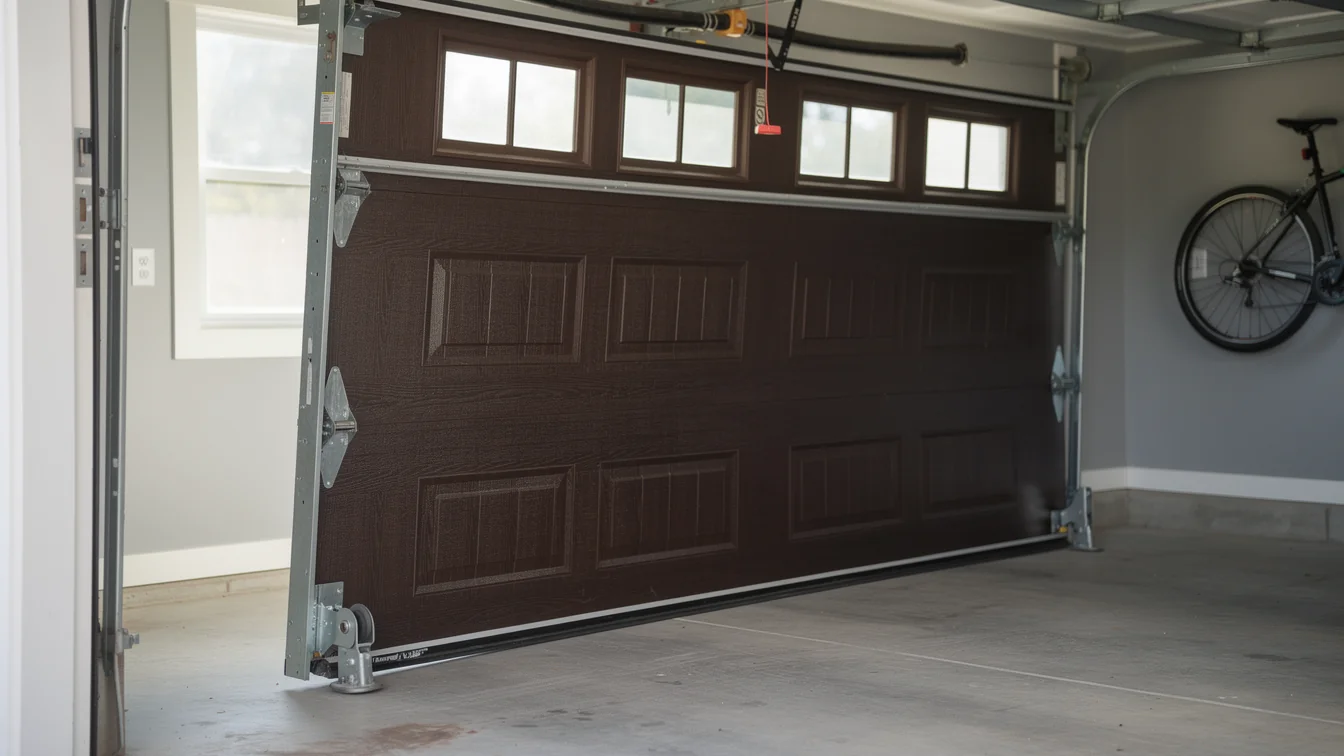
Lilburn homes built mostly in the 1960s-70s have original track hardware and cold-moderate temperature swings that work doors loose.
Read more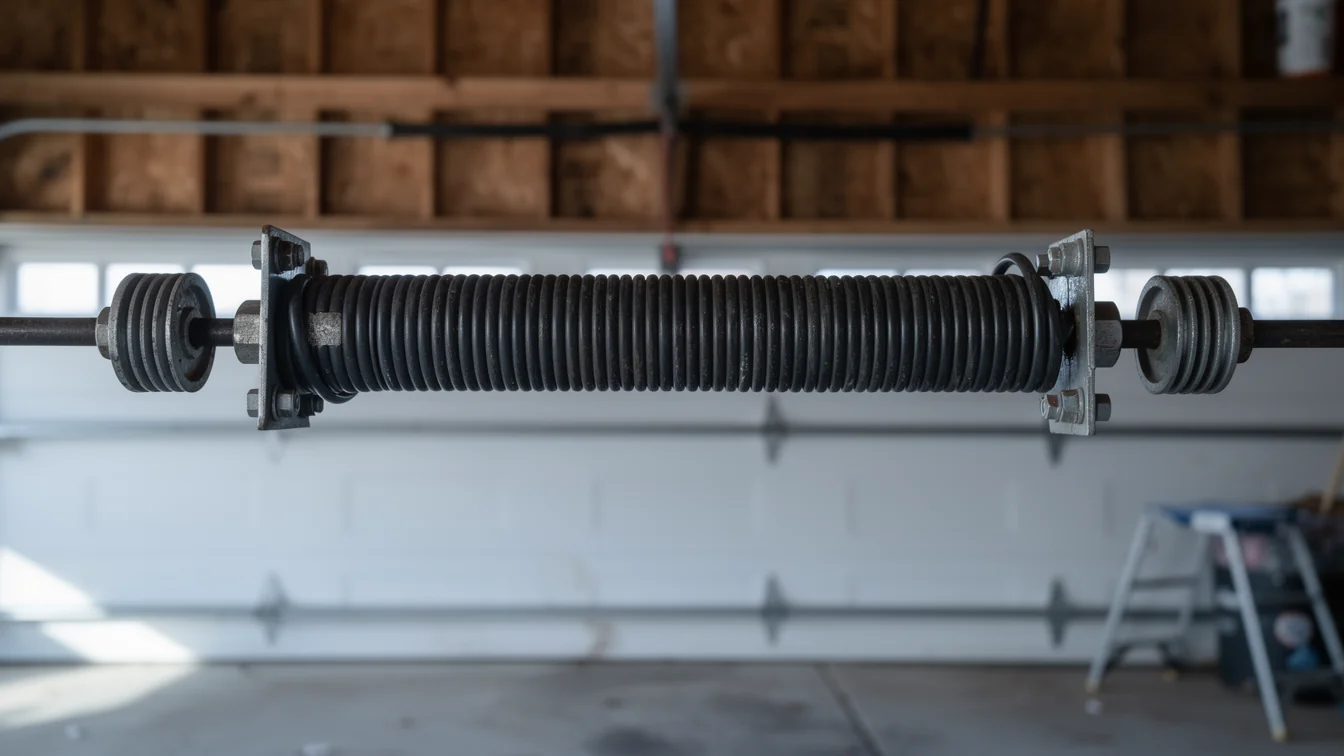
Why garage door springs snap in cold weather in Lilburn homes built between 1951 and 2012, how to check yours, and when to leave it alone and call for a repair.
Read moreReady when you are
Lilburn Garage Door Pros repairs and installs garage doors, springs and openers in Lilburn, GA and the surrounding area.