
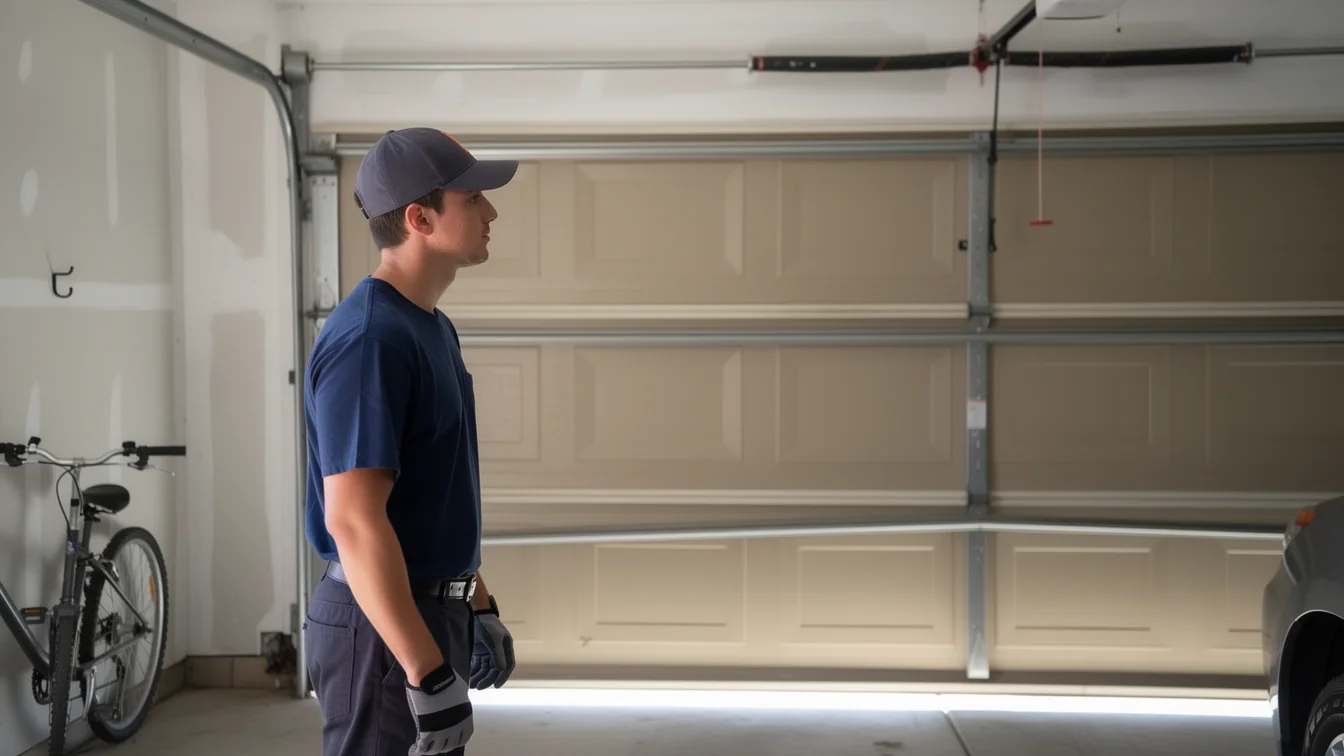
What Your Garage Door Is Trying to Tell You
Lilburn homes mostly built in the 1960s-70s have aging torsion hardware and worn rollers.
Read moreLilburn homes built mostly in the 1960s-70s have original track hardware and cold-moderate temperature swings that work doors loose. Here's what to check before you call.
Local detail
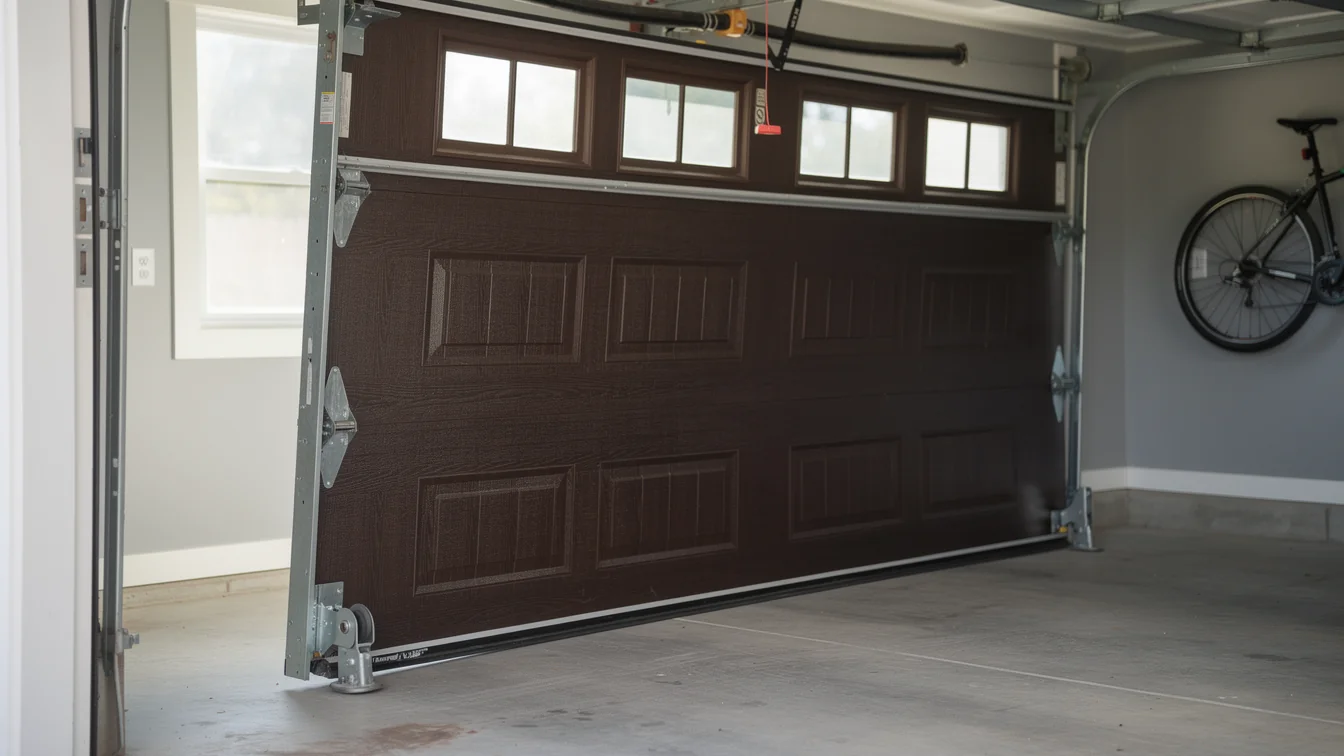
Lilburn sits in a cold-moderate climate band, which means the ground under a slab doesn't freeze hard the way it does further north, but it does shift a few times every winter as temperatures swing. That slow movement works on the track brackets bolted to the framing above your door opening. A quarter inch of settling at one bracket is enough to pull a vertical track out of plumb, and once it's out of plumb, the rollers start riding the edge of the rail instead of the center.
Most of the housing stock here went up between the 1960s and 1970s, with the broader service area spanning construction from 1951 up through 2012. Houses from that older wave often have track hardware that was fastened directly into jamb trim rather than lagged into the stud behind it. That's not a defect, it's just how it was done at the time, but forty-plus years of seasonal movement on that kind of fastening is exactly the setup that lets a track walk sideways a little more each year until a door finally jumps it.
The area
Stand at the side of the door with it closed and sight down the vertical track from top to bottom. It should run straight, with no visible lean toward or away from the door panel. A track that bows outward at the bottom, even slightly, is usually the first sign of a bracket working loose from the jamb.
Next, check the brackets themselves where they meet the wall. On a lot of the older Lilburn houses we see, those brackets were set into wood trim that's shrunk and loosened over the decades. Give each bracket a firm push by hand. If it moves or the screws spin without biting, that's your answer.
Last, look at the horizontal track where it meets the vertical section near the top. That joint carries a lot of stress every time the door opens, and on a door that's been racking slowly for years, you'll often find the bolts there backed out a turn or two. None of this takes tools beyond a flashlight and a screwdriver, and it tells you whether you're dealing with a loose bracket or something worse underneath.
What we find
If the brackets are solid and the track still looks straight but the door keeps jumping, the cause usually isn't the track at all - it's the rollers or the cable on one side pulling unevenly. A roller that's worn down on one edge will climb the lip of the track under tension instead of sitting flat in it, and that shows up the same way a loose bracket does: the door binds, jumps, or comes off one side right at the top of travel.
On houses built closer to the median year here, 1978, we also see original galvanized track that's simply thinner gauge than what gets installed today. Thinner track flexes more under the same spring tension, and flex is what eventually lets a roller ride out of the channel. It's not that the door is failing all at once - it's thirty or forty years of small flex adding up until one cold snap finishes the job.
How we work
A door that jumps track once and goes back in on its own is worth watching, not ignoring, but it's not an emergency. We'll say plainly: if the track is still straight, the brackets are tight, and it was a one-time event, you don't need a service call yet. Keep an eye on it over the next few closes.
Where we draw the line is a door that's jumped more than once, or one where you can see daylight between the roller and the track at any point while it's moving. At that stage the hardware is past the point of a quick fix, and running the opener again risks bending the track badly enough that it has to be replaced section by section instead of just realigned. With 19,177 owner-occupied houses in this area built mostly in that 1960s-70s window, worn original track is one of the most common reasons a door goes off and doesn't want to go back on cleanly.
Questions
Cold-moderate winters here still bring enough temperature swing to shift the slab and framing slightly each season. That movement loosens track brackets a little at a time, and an already-marginal bracket often lets go during the first cold stretch of the year rather than in summer.
Not always, but it depends on where the bend is and how far out of plumb it's pulled. A bracket issue near the top can often be corrected. A track bent mid-section from repeated roller jumps usually needs that section replaced rather than straightened.
Houses from that era make up a large share of what we work on in Lilburn, and original track hardware from that period is thinner gauge and often fastened into trim rather than framing. It's not a guarantee of trouble, but it's worth checking the brackets before a small lean becomes a jumped track.
Recommendation
More garage door guides for Lilburn homeowners.
Lilburn homes mostly built in the 1960s-70s have aging torsion hardware and worn rollers.
Read more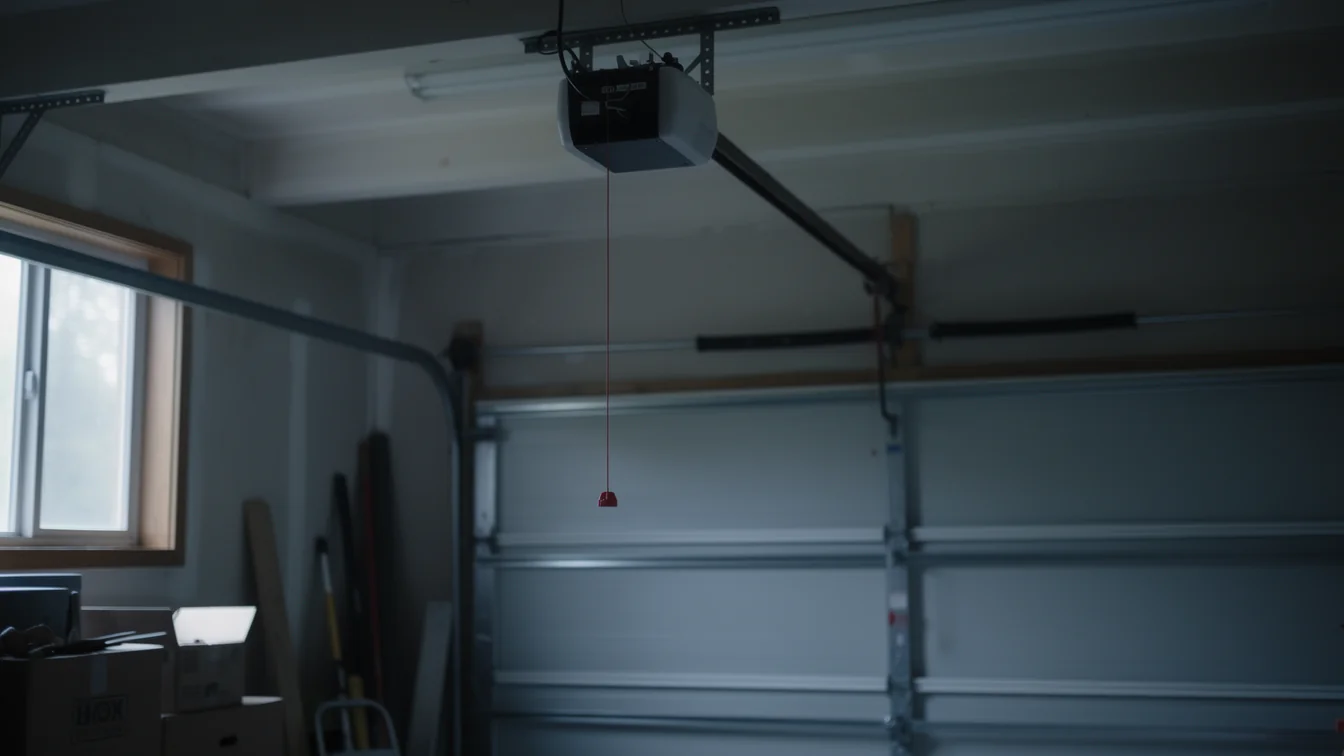
Lilburn's 1960s-70s housing stock and cold-moderate winters mean openers fail differently here.
Read more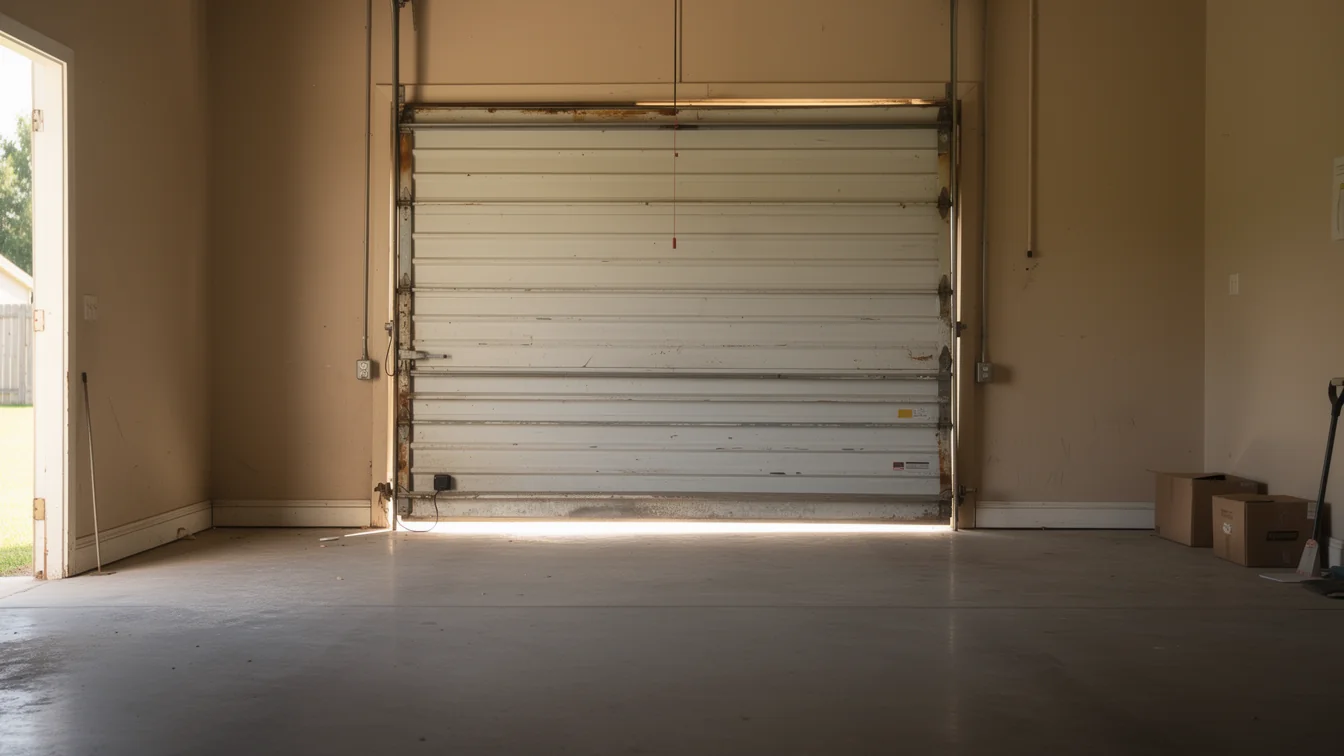
Garage door repair for Lilburn, GA homes built mostly in the 1960s and 70s, where original torsion springs, panels, and openers wear out in cold winters.
Read moreReady when you are
Lilburn Garage Door Pros repairs and installs garage doors, springs and openers in Lilburn, GA and the surrounding area.