What Your Garage Door Is Trying to Tell You
Lilburn homes mostly built in the 1960s-70s have aging torsion hardware and worn rollers.
Read moreLilburn homes mostly date to the 1960s-70s with some newer builds through 2012. Here's how to tell if your original door and hardware are worth repairing.
Local detail
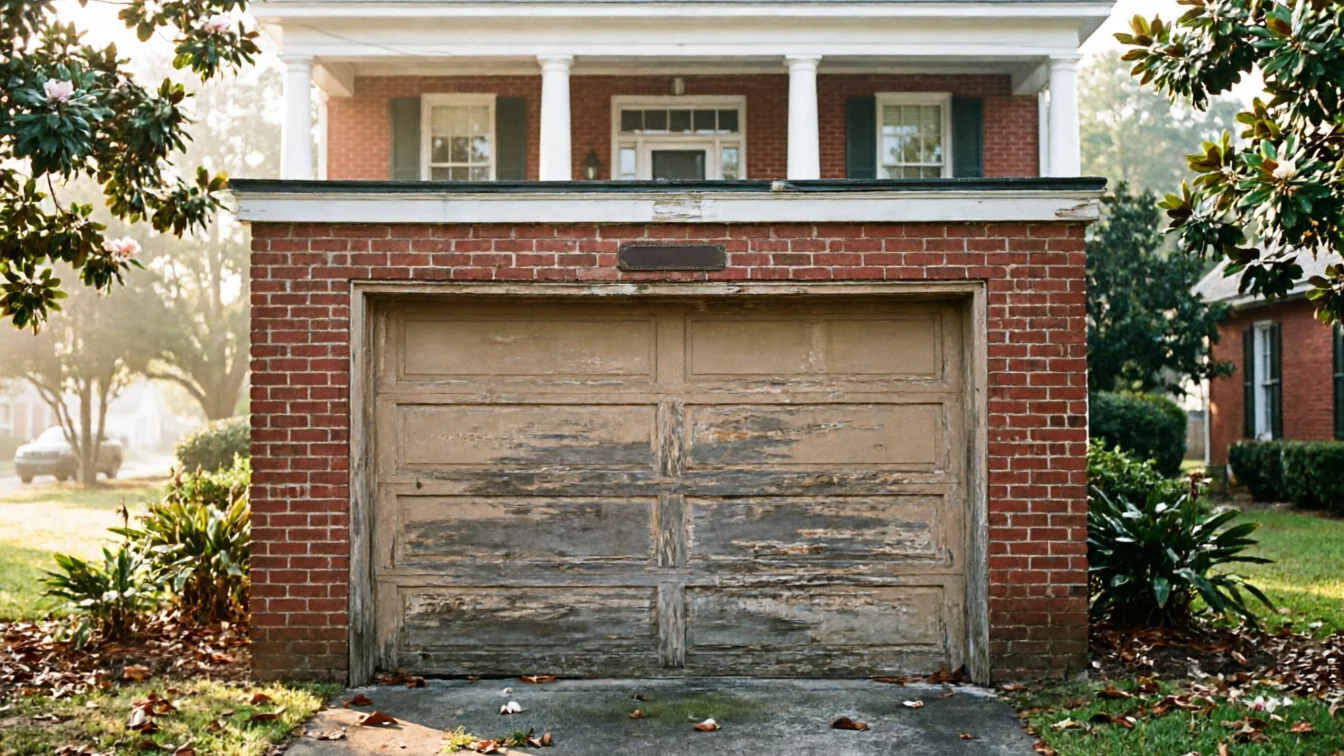
Lilburn's housing stock runs from 1951 up through 2012, but the bulk of it clusters in the 1960s and 70s across the 17 named areas that make up this part of the county. That matters because a door installed when a house was built in 1968 is not the same animal as one put in during a 2005 remodel. The older doors were sized and hung for lighter panel materials and simpler torsion or extension spring setups, and a lot of that original hardware is still out there, quietly wearing down.
The climate band here is cold-moderate, not the deep freeze you'd get further north and not the mild winters of the coast. That means your door sees real temperature swings season to season - enough to make steel contract and expand, enough to stiffen grease in an old spring over a cold snap, but not so extreme that insulation and weatherstripping are doing heroic work year-round. For a 1970s door, that's a slow, steady wear pattern rather than one dramatic failure. It's also why a door that's fine in July can start binding or groaning in January.
The area
Start with the springs. If your house went up in the 1960s or 70s window that covers most of Lilburn, there's a decent chance the torsion spring on your door has never been replaced. Look at the coil - surface rust, flattened spots, or a visible gap between coils when the door is down are all signs it's past its working life.
Next, pull the door down halfway by hand with the opener disconnected. It should hold its position. If it drops or shoots up, the spring tension is off, and that's a job for someone who knows how to work under load, not a DIY fix.
Check the track for rust pitting, especially near the bottom rollers, and run a hand along any horizontal seams in the panels for soft spots. On a door that's 40-50 years old, rust along the bottom panel is common and usually means the steel has started to go from the inside out, not just the surface.
What we find
On a lot of the older homes in this area, what looks like a broken opener is actually a spring that's lost its tension slowly, over years, in a cold-moderate climate that puts real seasonal stress on steel coils without ever getting severe enough to force an early replacement. The opener motor just has to work harder to compensate, until one day it can't.
The other common pattern on 1960s-70s doors is at the bottom bracket and rollers, where decades of the door's own weight combined with temperature-driven metal movement wear out the galvanized coating. Once that coating is gone, rust takes over fast in a climate with real winter moisture.
We don't always know which it is from a description over the phone. A spring that's lost tension and a motor that's actually failing can look identical from inside the house - the door just won't move right - and the only honest way to tell them apart is to look at the hardware in person.
How we work
Not every older door needs to come out. If the panels are solid steel without rust-through and the track is straight, replacing a spring and a few rollers on a door built in the 1970s can be the right call - it's a fraction of the cost of a new door and the panel itself will likely outlast the new hardware.
Where it stops making sense is when the rust has gone through the bottom panel or the track is bent enough that it's fighting the rollers on every cycle. At that point you're paying to patch a door that's going to need the same work again in a year or two. We'll tell you straight if that's where your door is - we don't have an interest in talking you into a repair that won't hold, and we don't have an interest in talking you into a replacement you don't need either. The honest limitation here is that we can't tell you which side of that line your door is on without seeing it.
Questions
It's common in Lilburn's older housing stock for a torsion spring to go 40-plus years without being swapped, especially if the door hasn't seen heavy daily use. Visible rust, flattening, or gaps between coils are signs it's reaching the end. A spring that old working through repeated cold-moderate winters is usually close to done even if it hasn't failed yet.
If the panel steel is solid and the track is straight, repairing springs, rollers, and cables on an older door is usually the cheaper and sensible move. Once rust has gone through the panel or the track is bent, you're repeatedly paying for a fix that won't last, and replacement starts to make more sense.
Lilburn sits in a cold-moderate climate band, which means real seasonal swings without extreme winters. That steady expansion and contraction wears down old spring coils and galvanized coatings over time, which is part of why doors from the 1960s-70s stock often show spring or rust problems before anything else fails.
Recommendation
More garage door guides for Lilburn homeowners.
Lilburn homes mostly built in the 1960s-70s have aging torsion hardware and worn rollers.
Read more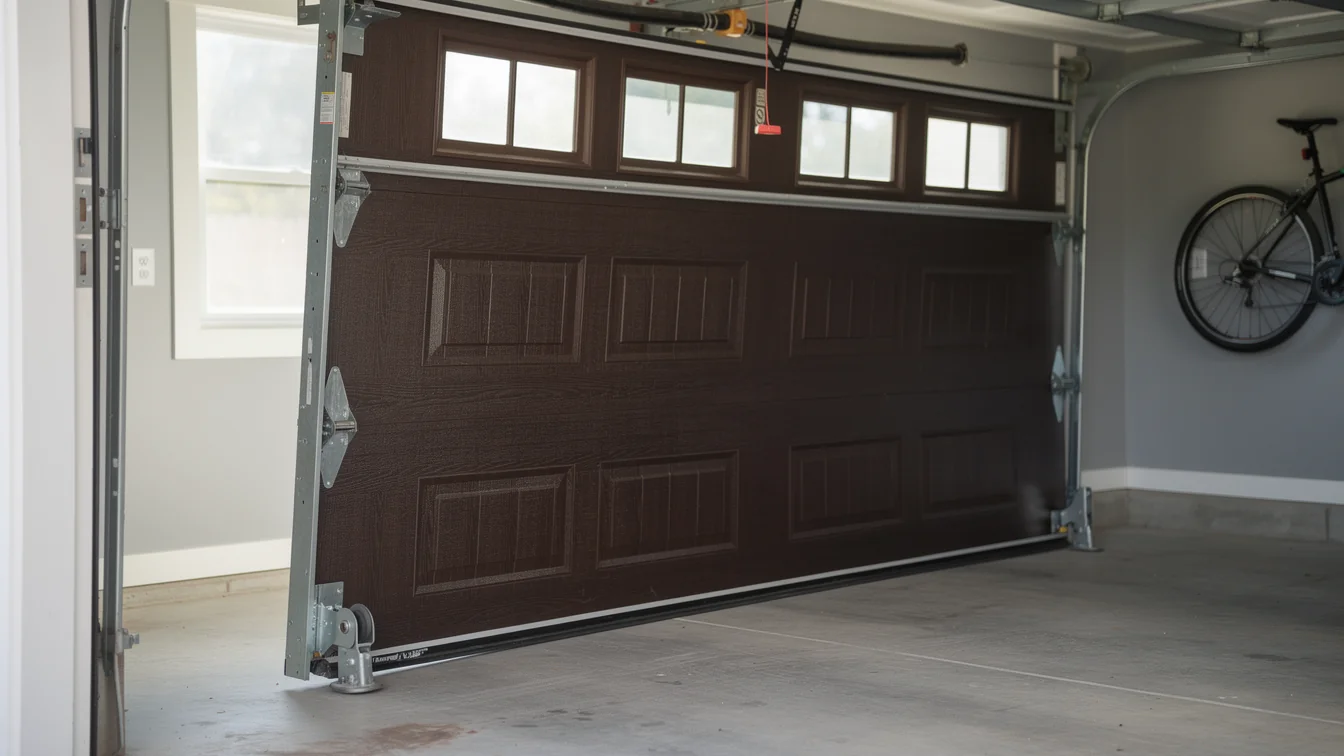
Lilburn homes built mostly in the 1960s-70s have original track hardware and cold-moderate temperature swings that work doors loose.
Read more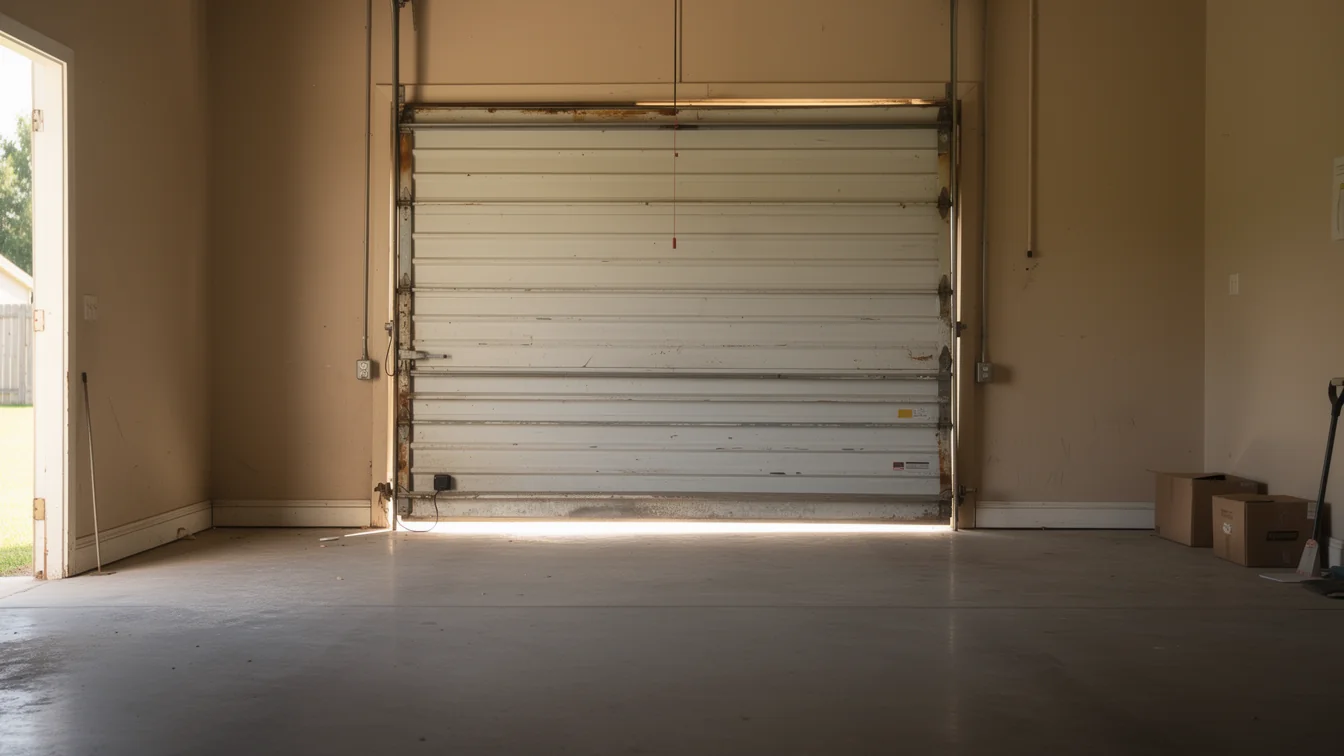
Garage door repair for Lilburn, GA homes built mostly in the 1960s and 70s, where original torsion springs, panels, and openers wear out in cold winters.
Read moreReady when you are
Lilburn Garage Door Pros repairs and installs garage doors, springs and openers in Lilburn, GA and the surrounding area.