
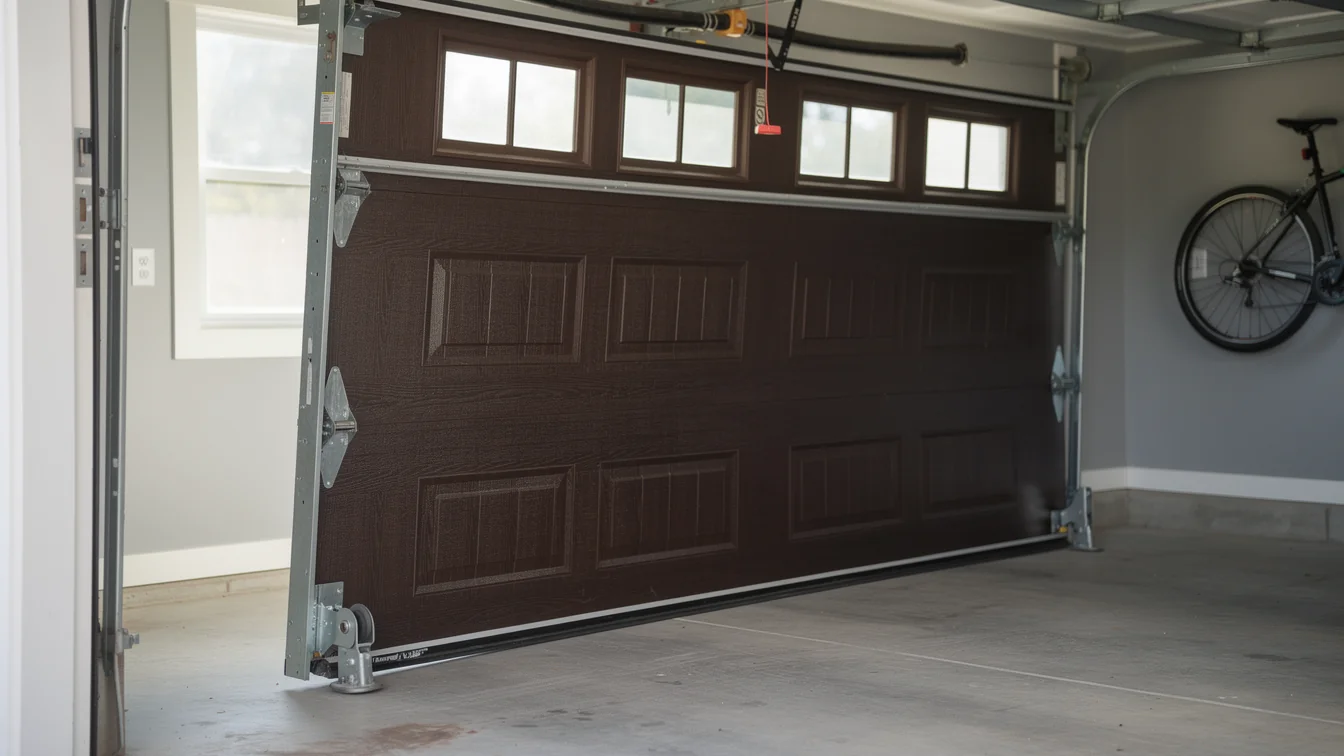
Why Your Garage Door Keeps Jumping Its Track
Lilburn homes built mostly in the 1960s-70s have original track hardware and cold-moderate temperature swings that work doors loose.
Read moreLilburn homes mostly built in the 1960s-70s have aging torsion hardware and worn rollers. Here's what each sound means and when to stop opening the door.
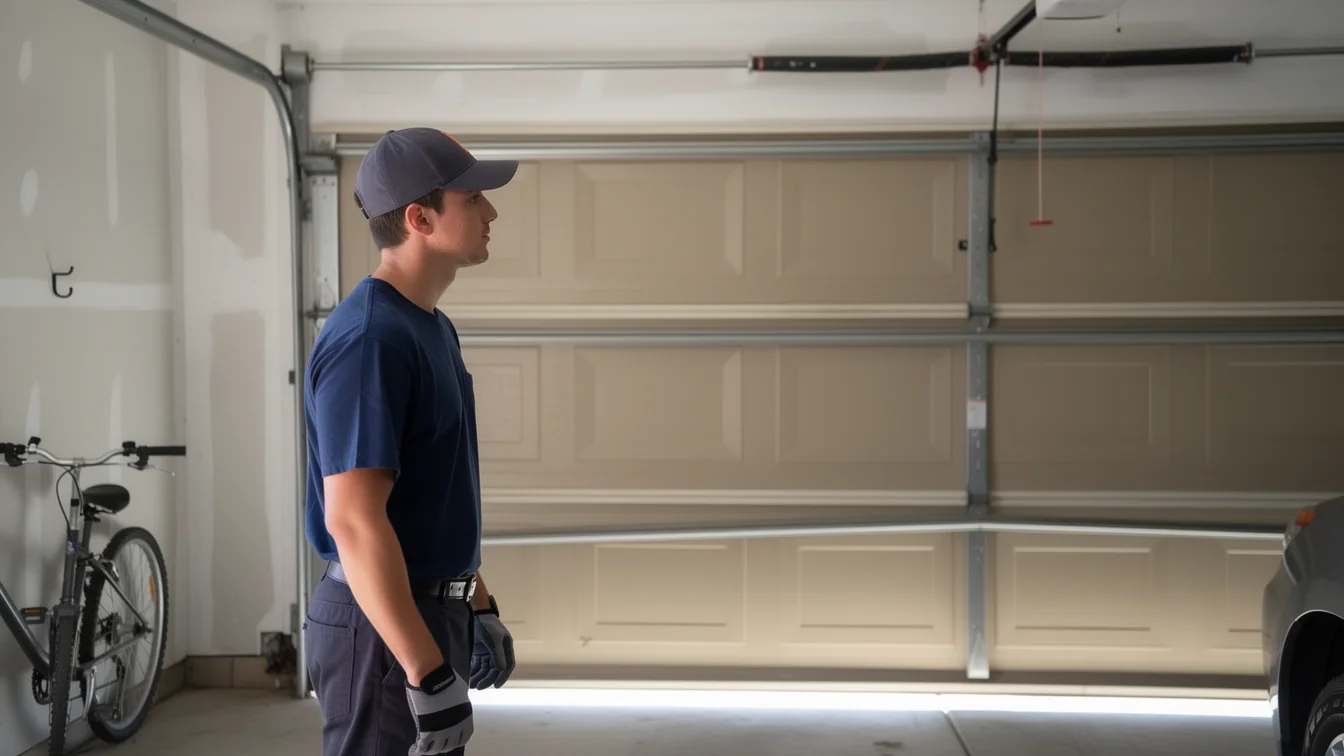
Local detail
Most of the houses in this part of Lilburn and the surrounding stretch of 17 named areas went up between 1951 and 2012, with the bulk of that stock dating to the 1960s and '70s. That matters because a door and opener installed on a house built in that window has likely been through at least one full hardware replacement cycle already, and the springs, rollers, and track on it now are probably not original. Add a cold-moderate climate band, and you get metal that contracts in winter and expands in summer every single year. Steel track bolts work loose. Spring coils lose a hair of tension each cold snap. None of this is dramatic on its own, but on a door that's 15, 20, or 40 years into its life, those small seasonal shifts are what turn a quiet door into a noisy one. A house built in 1978, the rough median here, is old enough that its hardware has outlived at least one owner's maintenance habits, if not two. The noise isn't random - it's the sound of parts that have been flexing with the weather for decades finally telling you something's loose, worn, or about to let go.
The area
Before you call anyone, open and close the door slowly by hand with the opener disconnected, and listen for where the sound happens, not just that it happens. A grind right as the door starts moving usually points to a roller or a track bolt, both common on the older end of the 1960s-70s stock in this area. A loud bang mid-cycle, especially in cold weather, is more often a torsion spring losing a coil of tension - something that shows up more in winter when the steel is stiffer and under more load. A rhythmic thump every few feet almost always means a flat spot on a roller, which on a door built decades ago is probably the original roller still doing its best. Look at the springs themselves: if you can see a visible gap in the coil, stop there. That's not a sound problem anymore, that's a part under tension that's about to fail, and it's not something to keep testing by hand. Check the track for visible rust or pitting too - on a cold-climate house, moisture that sits in the track over a winter can eat at metal that's already decades old.
What we find
A squeal that gets worse in January and quiets down by June is a roller or hinge that's dry and stiffening up with the cold - lubricate it and see if the sound follows the temperature. A sharp pop followed by the door feeling heavier to lift is almost always a torsion spring that's lost tension or broken outright, and on hardware this age, that's less a surprise and more a timeline. A scraping sound low on the door, especially near the bottom panel, often means a worn weatherstrip or a bent track rail - both things a cold-moderate climate accelerates through repeated freeze and thaw at ground level. Rattling along the whole length of the door during operation usually traces back to loose track brackets, which on houses from the 1960s and '70s stock common across this area were fastened with hardware that's simply been vibrating for a long time. None of these sounds mean the same thing on a door installed five years ago as they do on one installed when the house was built - age and climate exposure change what a given noise is telling you.
How we work
Some of this is fine to leave for now. A squeak on a door that otherwise opens smoothly and evenly isn't an emergency - lubricate the hinges and rollers and give it a season. We won't tell you to replace a spring at the first hint of noise if the door is still balanced and moving correctly, because most of the time it isn't. What you shouldn't leave alone is a door that's gotten louder fast, one that jerks or hesitates partway through its cycle, or a track bolt you can see has backed partway out - those point to parts under load that are closer to failing than they are to just being noisy. On a house with 1960s-70s hardware, a sudden change is more telling than a slow, steady squeak. If you're not sure which category you're in, that's a reasonable reason to call rather than guess, especially with a spring - those carry enough tension to hurt you if you're working on one without knowing what you're doing.
Questions
That's usually a torsion spring losing a coil of tension, not something minor. On hardware that's been through years of cold-weather cycling, like a lot of what's in this area, a single loud bang is often the first sign the spring is wearing out, even if the door still moves fine afterward.
Cold steel is stiffer and grease thickens, so rollers, hinges, and springs all work harder and louder in winter. On older hardware common to houses built in the 1960s and '70s here, that seasonal swing is more noticeable because the parts have less tolerance left to absorb it.
If you're comfortable with basic tools, worn rollers are one of the more straightforward swaps. We'd still say inspect the track and spring tension first, since a thump on an older door sometimes has more than one cause, and fixing rollers alone won't quiet a bent track.
Recommendation
More garage door guides for Lilburn homeowners.
Lilburn homes built mostly in the 1960s-70s have original track hardware and cold-moderate temperature swings that work doors loose.
Read more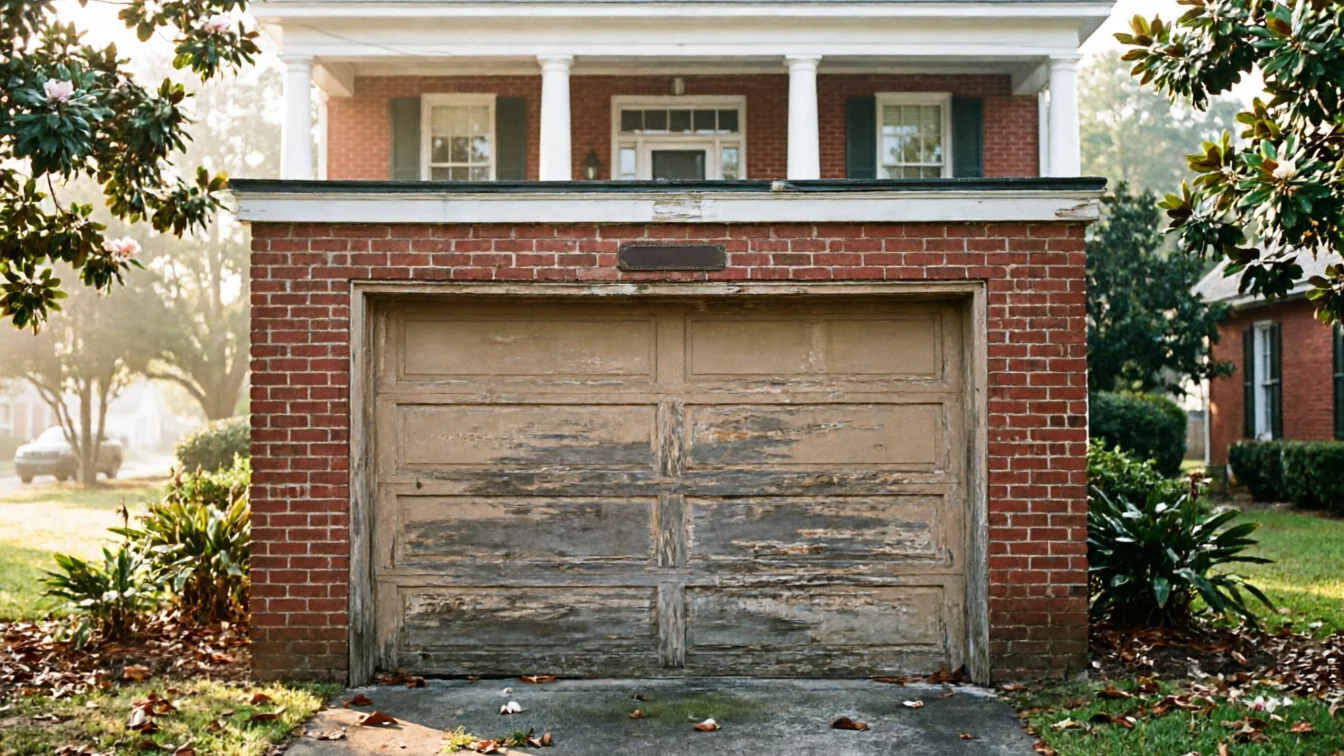
Lilburn homes mostly date to the 1960s-70s with some newer builds through 2012.
Read more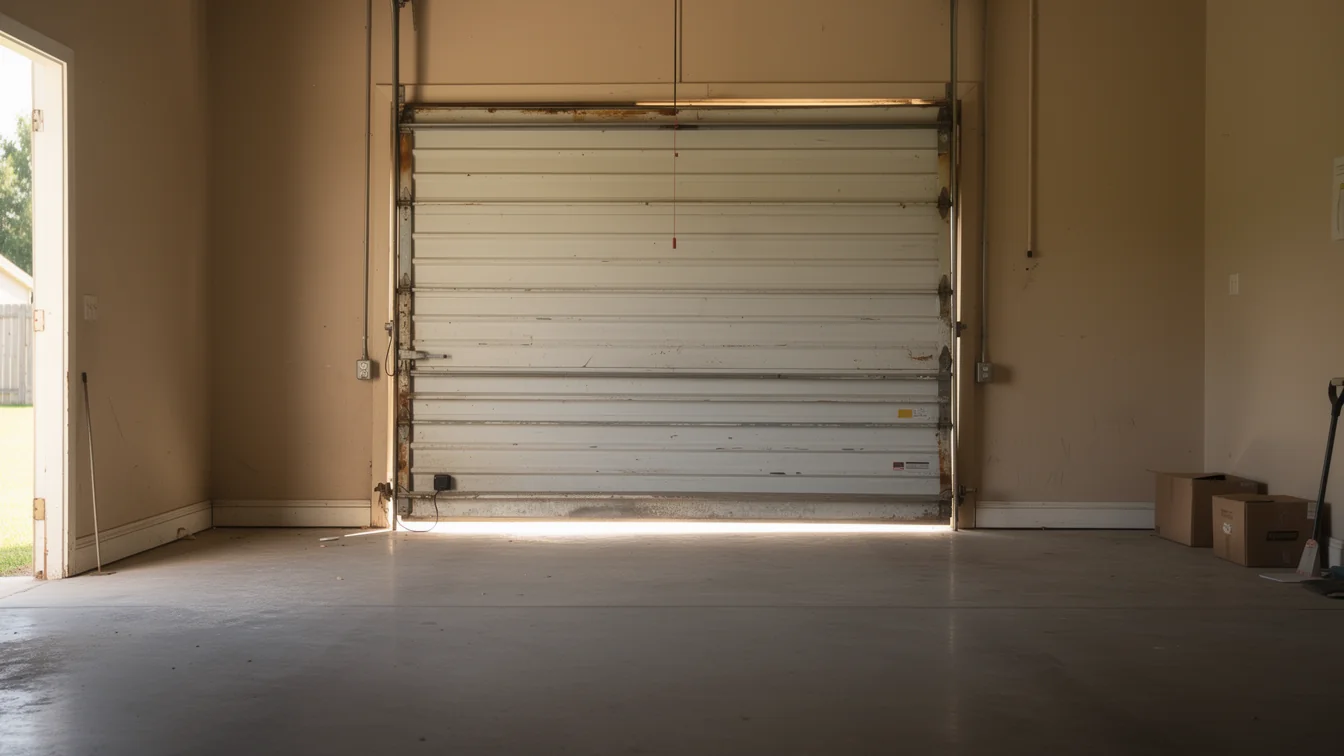
Garage door repair for Lilburn, GA homes built mostly in the 1960s and 70s, where original torsion springs, panels, and openers wear out in cold winters.
Read moreReady when you are
Lilburn Garage Door Pros repairs and installs garage doors, springs and openers in Lilburn, GA and the surrounding area.