
Gresham Park, Lilburn
Keeping Garage Doors Running in Gresham Park
Gresham Park runs about 3,001 households on 1960s-era hardware. Our Lilburn crew drives the 16 miles out to service torsion springs built for that stock, not newer tract-home gear.
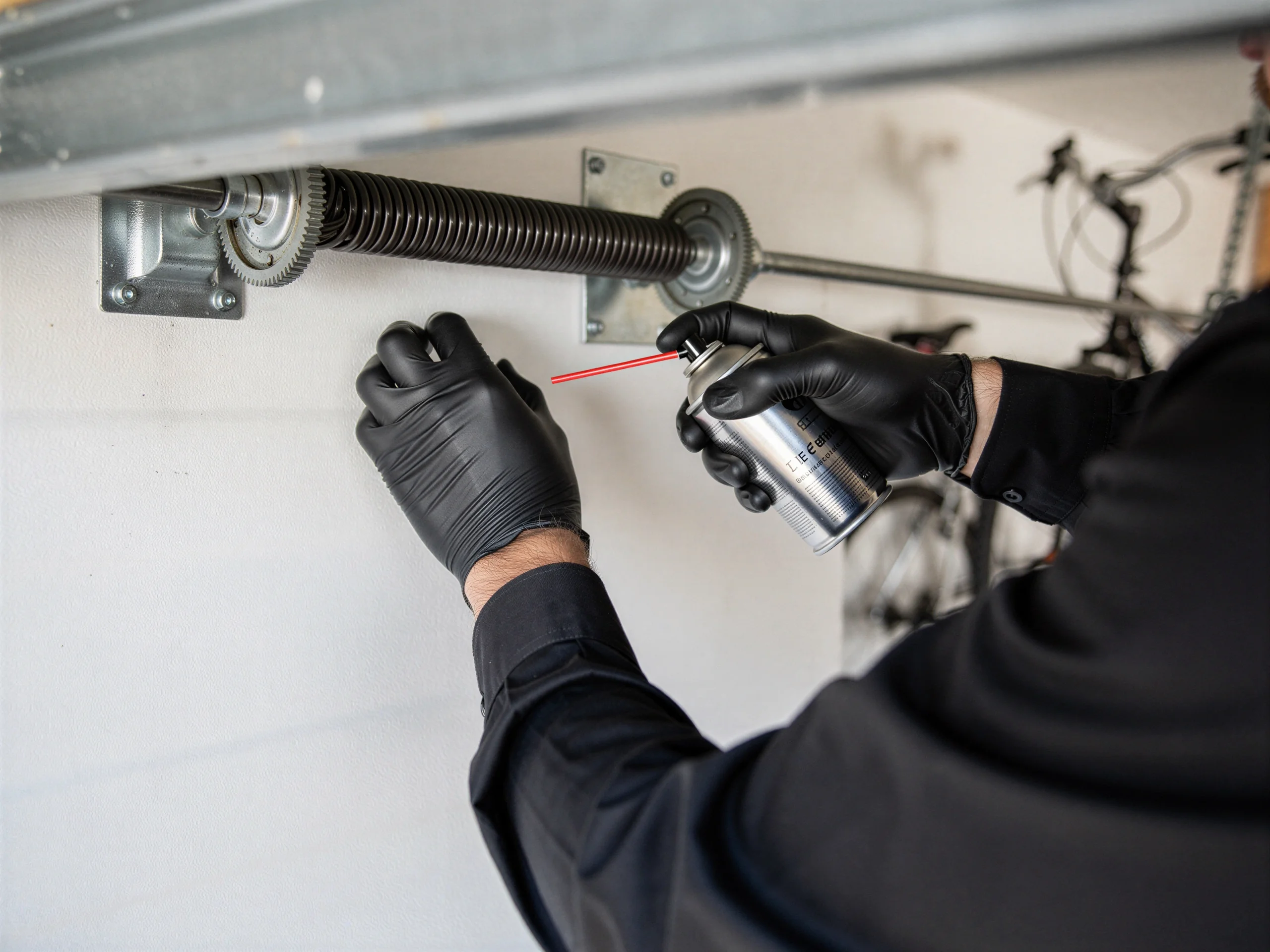
What Is on the Truck
Gresham Park is a small area - about 3,001 households, nowhere near the size of the bigger suburbs we cover. That matters for what we load before we drive out.
Single building wave
A neighborhood this size doesn't have the mixed housing stock you get in a sprawling subdivision; most of what we find here traces back to a single building wave, so the truck carries torsion springs and drums sized for that era rather than a little of everything.
Weatherstrip for cold swings
We stock standard-wind torsion springs in the sizes that match doors built around 1967, plus the steel rollers and galvanized cable that hardware from that period actually takes. We also carry weatherstripping rated for a cold-moderate climate, since the rubber that was original to a door this old has usually hardened and cracked by now.
Light post-2000 stock
What we don't load heavy for is the hardware used in homes built after 2000 - wider extension springs, plastic-idler pulleys, that kind of thing. There's less of it out here, so we carry less of it, and if a job needs something unusual we call ahead rather than guess.
What the Repair Takes
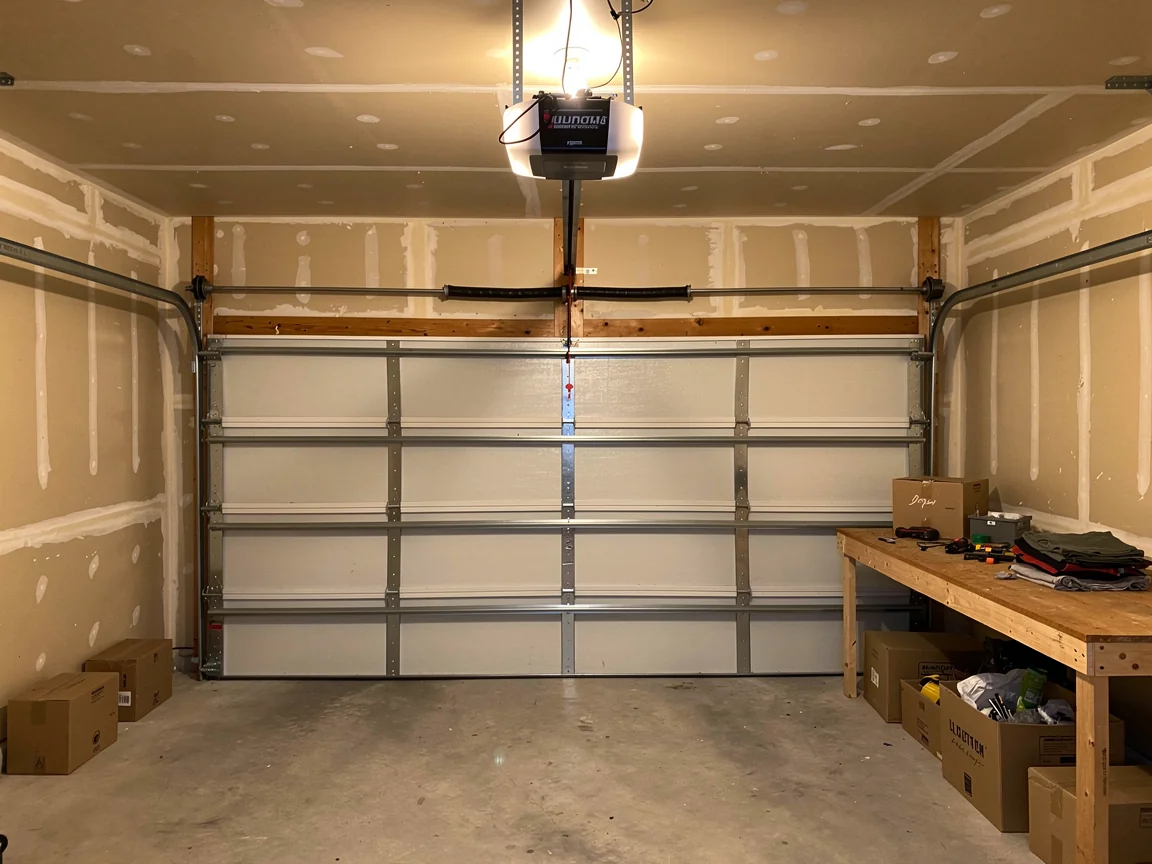
A standard maintenance visit on a door from the 1960s or 70s usually runs long on inspection and short on parts - the hardware is simple, but it's old enough that bolts are rusted in and brackets have shifted over fifty-some years of use. We check torsion spring wind, track alignment, roller condition, and the opener's force settings if one's been added since the original install. On a lot of these doors the opener is a later addition bolted onto hardware that predates it by decades, so the two don't always talk to each other the way they should. We tighten what's loose, lubricate what's dry, and flag anything close to failing - a spring with visible gaps between coils, a cable fraying at the drum. We don't replace parts that aren't failing just because they're old; a repair visit is about keeping what works working, not upgrading hardware that's still doing its job.
Can You Do This Yourself
Lubricating hinges and rollers, clearing track debris, and checking that the door reverses when it hits an object are fine to do yourself, and we'd rather you did than skipped it.
Torsion adjustment warning
Torsion spring adjustment is not something to take on alone - the springs on a door this age are under enough tension to cause serious injury, and we won't talk anyone through it over the phone.
Sagging means hardware trouble
If your door is sagging on one side or the opener strains and reverses on its own, that's a hardware problem, not a lubrication problem, and it's past the point where a homeowner should be opening the spring cone with a wrench. Call it in.
What Causes It Around Here
Gresham Park's housing dates mostly to around 1967, which puts it solidly in the era of heavier one-piece and sectional wood-composite doors on side-mounted torsion hardware - parts that newer door manufacturers don't stock on the shelf anymore. Combine that with a cold-moderate climate and the common failure isn't dramatic, it's slow: steel springs that have cycled tens of thousands of times since the Johnson administration, finally losing temper and snapping a coil in a January cold snap. Median household income here runs around $70,101, below the wider service area's $78,317, and what we see on calls reflects that - more repair requests, fewer full-door replacements, more owners asking us to keep a 50-year-old door running one more season rather than swap it out. That's a reasonable call in a lot of cases, and we'll tell you honestly when it isn't.
Where This Job Goes Sideways
The usual trouble spot on hardware this old is the spring cone seizing to the shaft from decades of rust, which turns a twenty-minute spring swap into an hour of cutting and re-threading.
Field-modified brackets
We also run into brackets that were field-modified by a previous repair - a mismatched roller, a bent track straightened rather than replaced - and those shortcuts don't always show up until we've got the door apart.
Rusted-through track limits
One honest limit here: if the track or jamb bracket has rusted through rather than just seized, that's a structural repair beyond a maintenance visit, and we'll say so rather than force a fix that won't hold.
The Symptom
The complaint we hear most from this stretch is a door that groans or jerks partway up, then catches and reverses before it finishes opening - classic behavior for a spring that's lost tension but hasn't broken yet. On a newer door with lighter extension springs that symptom often means something electrical. On a door built around 1967 with original torsion hardware, it's almost always mechanical: the spring is weak, not the opener. We check spring tension first on any call out here, because the odds favor it.
Questions
Common questions
How often should a door this old get serviced?
Once a year is reasonable for hardware from the 1960s and 70s, more often if the door sees heavy daily use. Annual checks catch a weakening spring or a seizing roller before it strands the door mid-cycle, which is cheaper and safer than a reactive call after it fails.
Will you replace my whole door during a maintenance visit?
Not unless you ask for it. A maintenance visit is about keeping existing hardware running - tightening, lubricating, adjusting. If we find something closer to failure than repair, we'll tell you and let you decide, but we don't upsell a replacement on a routine call.
Is it worth fixing an opener added to an old door?
Usually yes, if the opener itself is sound. The more common issue is that the opener's force settings were never matched to the original spring tension, which causes strain on both. We check that pairing as part of the visit rather than just the opener alone.
Explore more
More Services in Gresham Park
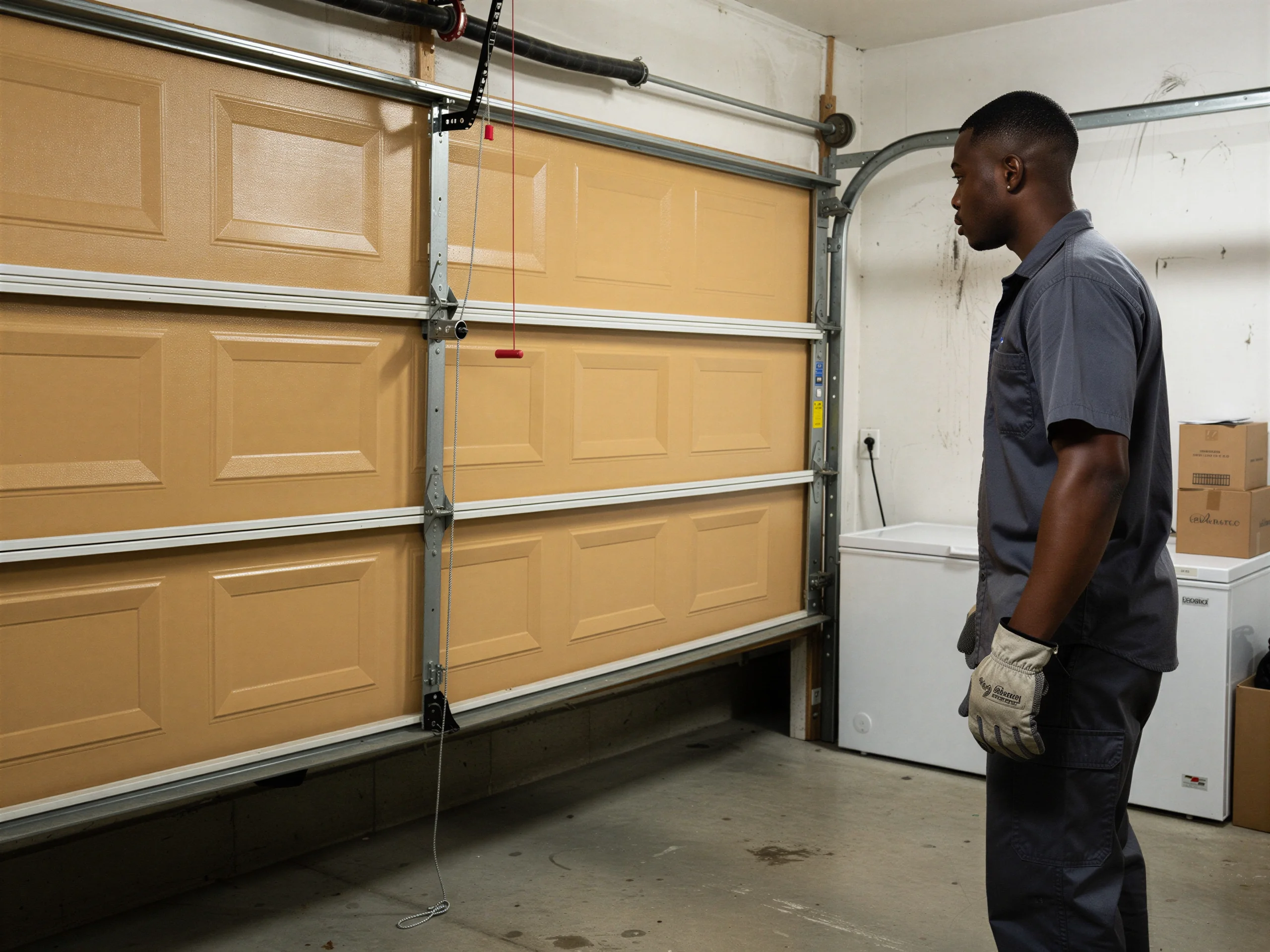
Cable Repair
Gresham Park's garage doors mostly went up in the 1960s and 70s, with 1967 as the median build year. Learn more →
Garage Door Repair
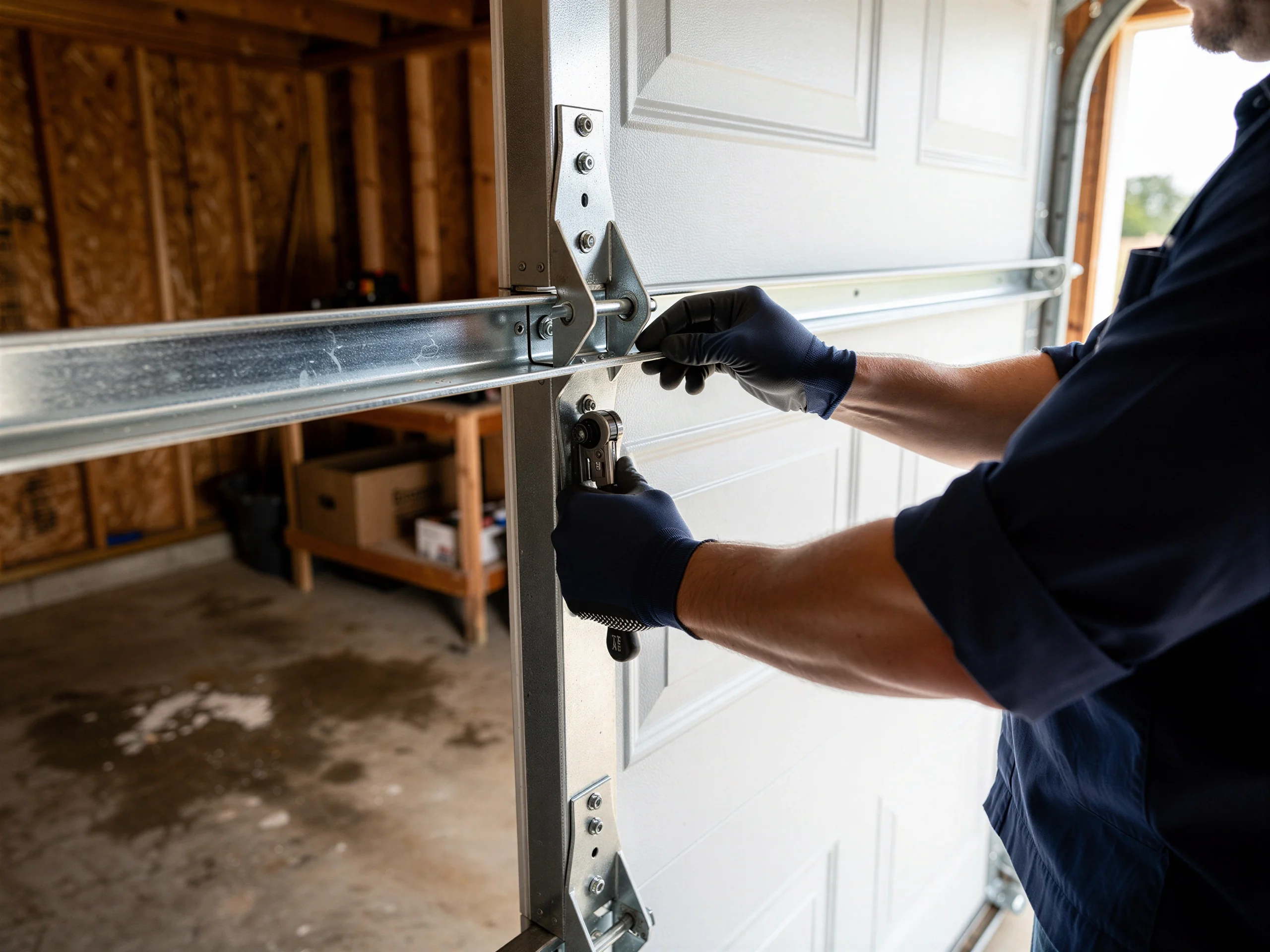
Gresham Park homes date mostly to 1967, which means original extension-spring setups on steel doors are still common. Learn more →
Garage Door Service
Houses in Gresham Park went up around 1967 with hardware that's rarely been touched since. Learn more →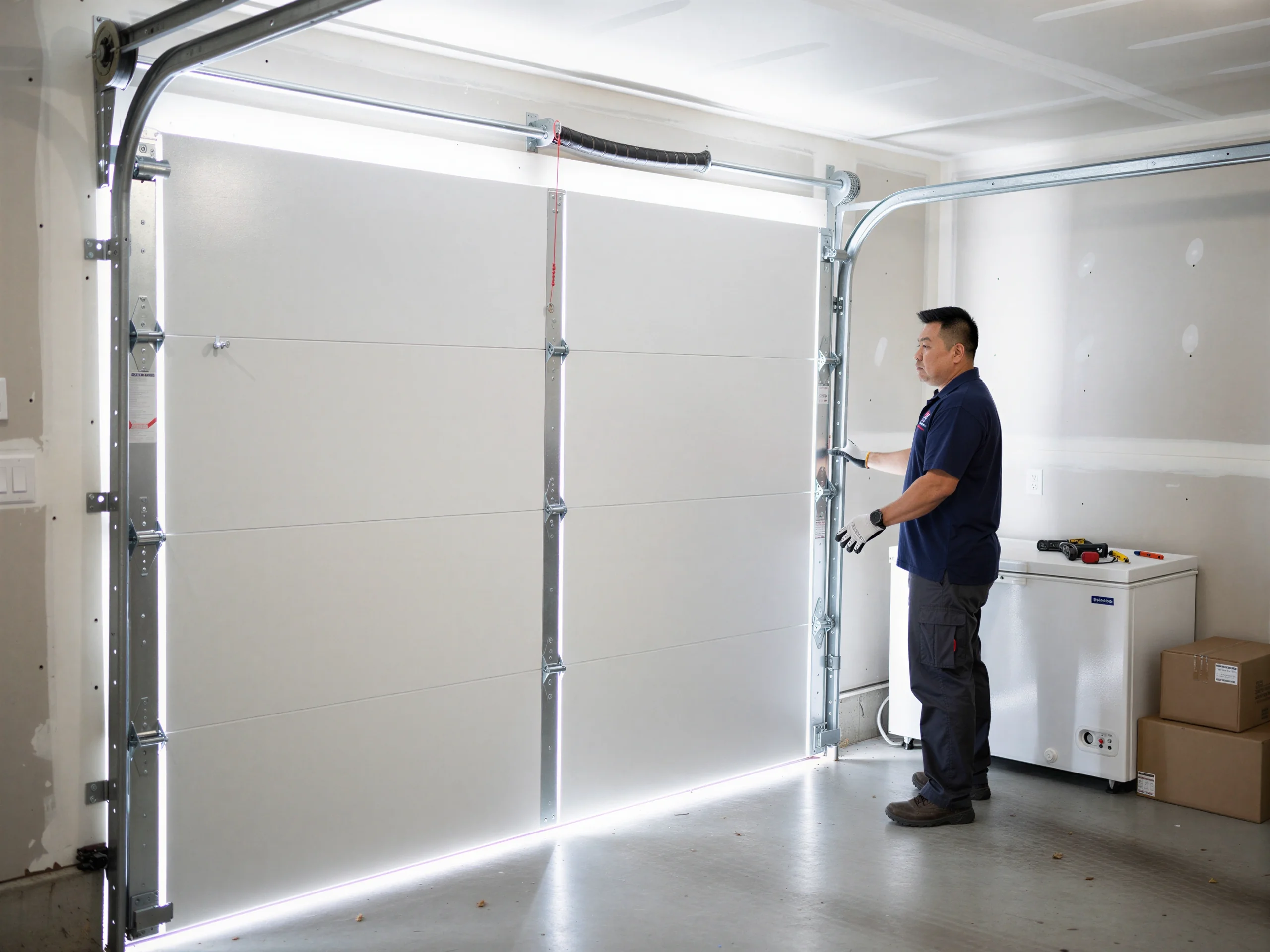
New Door Installation
Gresham Park homes built around 1967 carry doors near 60 years old. Learn more →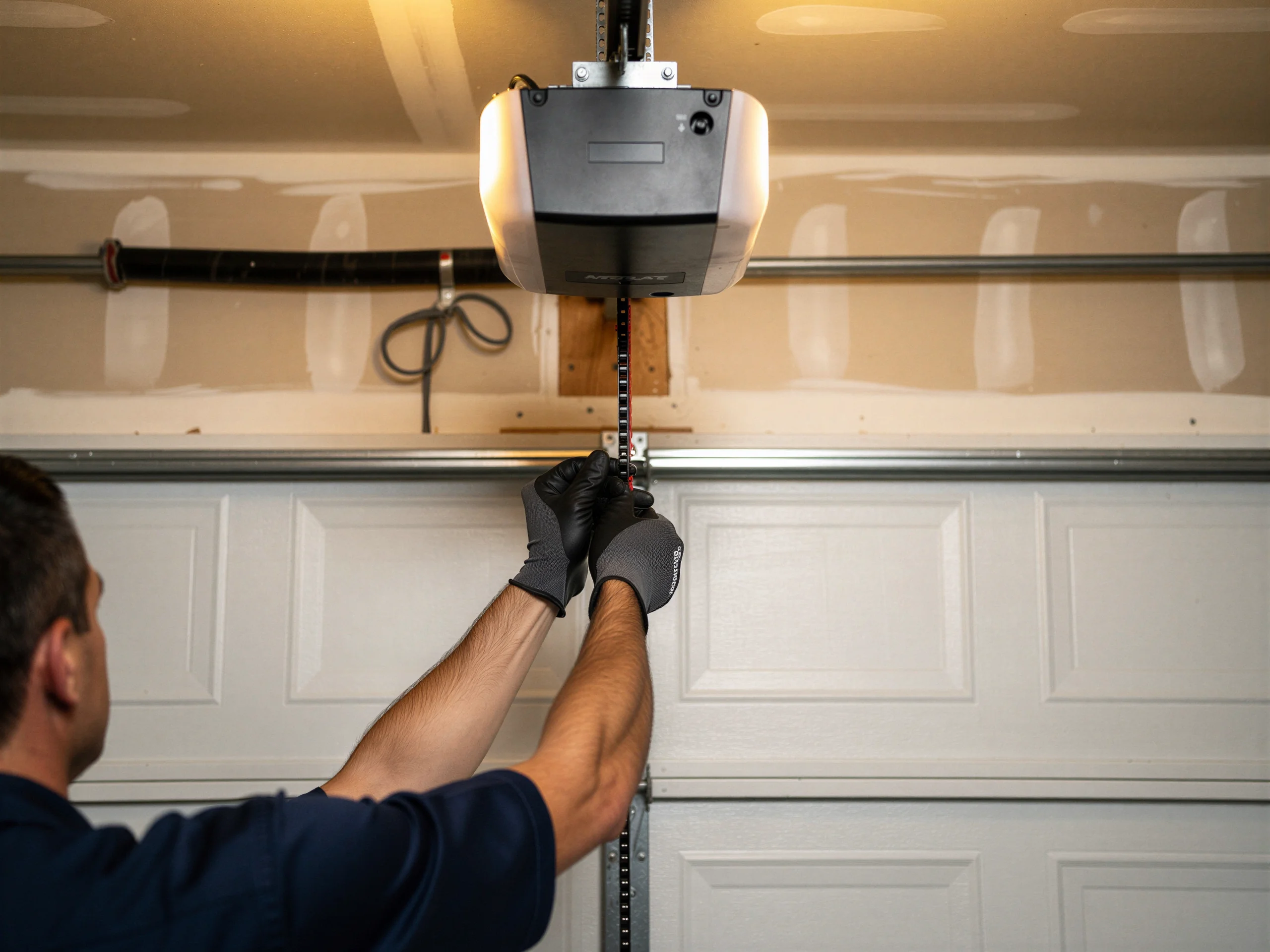
Opener Installation
Opener installs for Gresham Park's 1960s-70s houses, priced against a $70,101 median income. Learn more →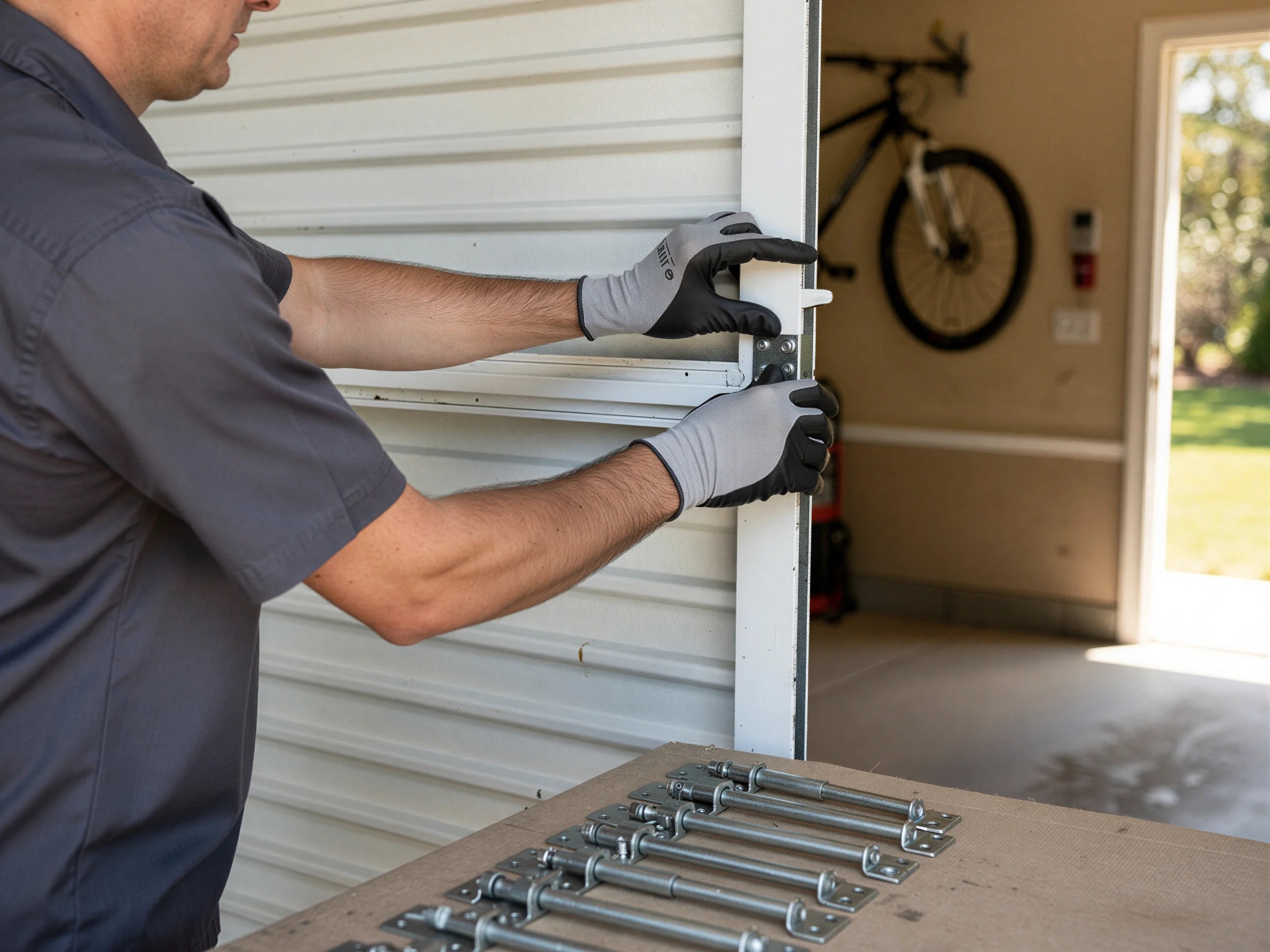
Panel Replacement
Gresham Park homes mostly went up in the mid-1960s, a decade or more before the area's overall median. Learn more →Ready when you are
Time for a garage door tune-up in Gresham Park?
Lilburn Garage Door Pros repairs and installs garage doors, springs and openers in Lilburn, GA and the surrounding area.